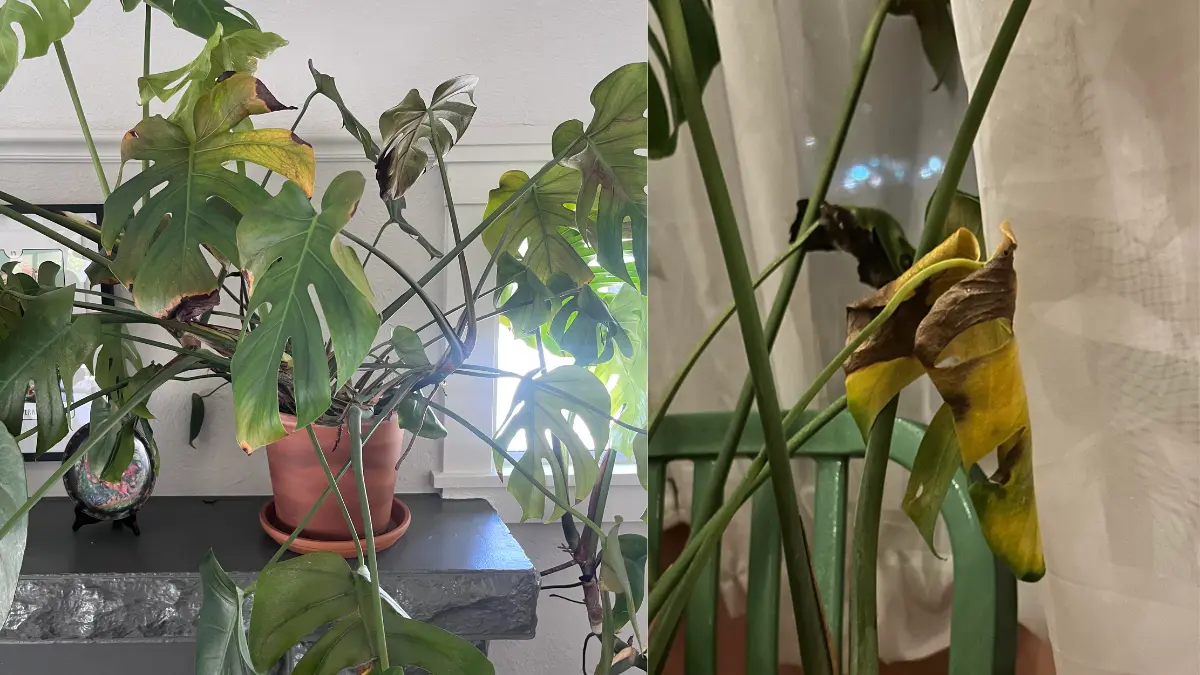
If your Monstera has stopped producing new leaves or seems stuck in the same condition for months, don’t worry—you are not alone. I have experienced this with my own Monstera plant, and after making a few simple changes, I noticed healthy new growth within a few weeks. In this guide, I’ll share the real reasons why a Monstera isn’t growing and exactly what worked for me.
Whether you’re a beginner or an experienced plant lover, these easy tips can help your Monstera become healthy, fuller, and faster-growing.
About Monstera Plant
| Feature | Details |
|---|---|
| Common Name | Monstera, Swiss Cheese Plant |
| Botanical Name | Monstera deliciosa |
| Plant Type | Tropical Houseplant |
| Light | Bright, indirect sunlight |
| Water | Water when the top 2 inches of soil are dry |
| Soil | Well-draining potting mix |
| Growth Rate | Moderate to Fast |
| Best Temperature | 65°F–85°F (18°C–29°C) |
Quick Signs Your Monstera Has Stopped Growing
- No new leaves for several months
- Small or weak leaves
- Leaves without natural splits
- Yellowing older leaves
- Slow root development
- Long stems with very few leaves
1. Your Monstera Isn’t Getting Enough Light
This is the biggest reason I see people struggle with Monstera plants.
When I first bought my Monstera, I placed it in a beautiful corner of my living room. It looked great there, but after nearly three months, it hadn’t produced a single new leaf. Once I moved it closer to a bright window with indirect sunlight, the difference was amazing.
Monsteras need bright indirect light to produce new growth. They can survive in lower light, but survival isn’t the same as healthy growth.
How to Fix It
- Place your Monstera near an east or north-facing window.
- Filter strong afternoon sunlight with a curtain.
- Rotate the pot every couple of weeks for even growth.
- Use a grow light if your home doesn’t receive enough natural light.
2. Watering Too Much or Too Little
Finding the right watering routine made a huge difference for my plant.
Overwatering keeps the roots constantly wet, leading to root rot. Underwatering causes the plant to conserve energy instead of growing.
How to Fix It
- Check the top 2 inches of soil before watering.
- Water thoroughly until water drains from the bottom.
- Empty the saucer after watering.
- Reduce watering during winter.
A moisture meter can also help if you’re unsure.
3. Poor Soil Is Holding Back Growth
Many Monstera plants stay small because they’re planted in dense garden soil that traps too much moisture.
I switched mine to a chunky, well-draining mix, and new roots developed much faster.
A good mix includes:
- Potting soil
- Orchid bark
- Perlite
- Coco coir or peat moss
This combination allows roots to breathe while holding enough moisture.
4. The Pot Is Too Small
If your Monstera has been in the same pot for years, the roots may have completely filled the container.
Root-bound plants struggle to absorb water and nutrients efficiently.
Signs Your Plant Needs Repotting
- Roots growing through drainage holes
- Soil drying extremely fast
- Plant tipping over easily
- Little or no new growth
Repot only one size larger than the current container.
5. Your Monstera Needs More Nutrients
Healthy leaves require nutrients, especially during spring and summer.
I noticed greener leaves and faster growth after feeding my Monstera once every month during the growing season.
Fertilizer Tips
- Use a balanced liquid fertilizer.
- Feed once every 4–6 weeks in spring and summer.
- Avoid fertilizing during winter dormancy.
- Never fertilize dry soil.
6. Low Humidity Can Slow Growth
Monsteras naturally grow in tropical rainforests where humidity stays high.
Dry indoor air can lead to slower growth and brown leaf edges.
Easy Ways to Increase Humidity
- Group houseplants together.
- Use a humidifier.
- Place a pebble tray under the pot.
- Mist occasionally if your indoor air is extremely dry.
Aim for humidity levels above 50%.
7. Temperature Stress
Cold temperatures can completely stop growth.
Monsteras grow best between 65°F and 85°F (18°C to 29°C).
Keep your plant away from:
- Cold windows during winter
- Air conditioners
- Heating vents
- Drafty doors
Stable temperatures encourage continuous growth.
8. Pests Are Secretly Damaging Your Plant
Sometimes the plant looks healthy, but tiny pests are stealing its energy.
Check regularly for:
- Spider mites
- Mealybugs
- Scale insects
- Thrips
Inspect both sides of the leaves every week.
If you notice pests, wipe leaves with insecticidal soap or neem oil before the infestation spreads.
9. Your Monstera Is Simply Growing Slowly
Sometimes nothing is actually wrong.
Young Monsteras naturally produce smaller leaves. During winter, growth often slows or completely pauses because of shorter daylight hours.
Be patient and continue providing proper care.
My Personal Experience
One of my Monstera plants stayed almost the same size for nearly four months. At first, I thought something was seriously wrong. After observing it carefully, I realized it wasn’t receiving enough light, the soil stayed wet for too long, and I hadn’t fertilized it in months.
I moved the plant closer to a bright window, changed the soil to a chunky mix, and started feeding it monthly. Within a few weeks, I saw a healthy new leaf unfurl, followed by another one shortly after. That experience reminded me that small changes in plant care can make a big difference over time.
Final Thoughts
If your Monstera isn’t growing, don’t panic. In most cases, the problem is related to lighting, watering, soil, humidity, or nutrition. Start by checking these basic care requirements one by one instead of changing everything at once.
With a little patience and consistent care, your Monstera can return to producing beautiful, large leaves and steady new growth.
Frequently Asked Questions
Why has my Monstera stopped growing?
The most common causes are insufficient light, improper watering, poor soil, low humidity, or a lack of nutrients.
How can I make my Monstera grow faster?
Provide bright indirect light, water correctly, use well-draining soil, fertilize monthly during the growing season, and maintain warm, humid conditions.
How often should I fertilize a Monstera?
Feed with a balanced liquid fertilizer every 4–6 weeks during spring and summer. Reduce or stop feeding during winter.
Does a Monstera grow in low light?
It can survive in low light, but growth becomes much slower, and leaves may stay small without developing natural splits.
How long does it take for a new Monstera leaf to appear?
During the active growing season, a healthy Monstera may produce a new leaf every 4–8 weeks, depending on its age and growing conditions.