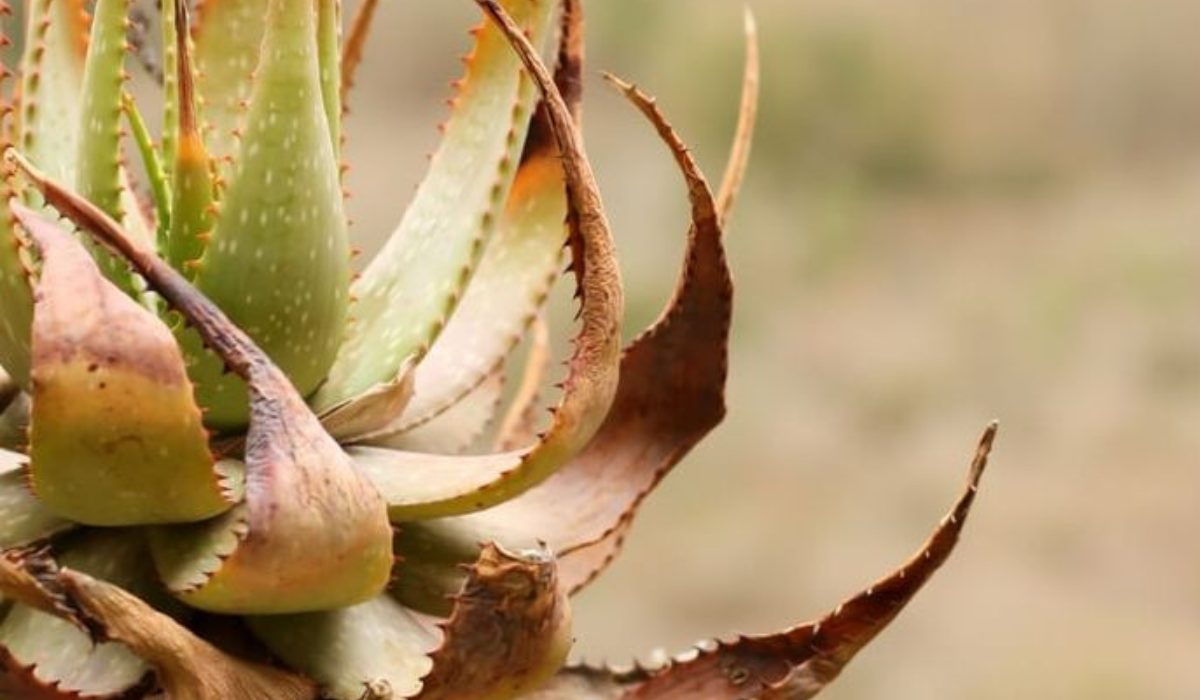
Aloe Vera plant problems usually happen because of overwatering, poor sunlight, wrong soil, or bad drainage. Aloe Vera is an easy-care succulent, but small mistakes can slowly damage the plant and cause yellow leaves, root rot, or soft mushy stems.
I have been growing Aloe Vera plants for many years in pots, balconies, and gardens. In the beginning, I also lost several plants because I treated them like normal houseplants. After learning from experience, I understood that Aloe Vera needs very different care compared to leafy indoor plants. If your Aloe Vera is dying, these common mistakes could be the reason.
Table of Contents
Why Aloe Vera Plants Die Easily
Aloe Vera is a succulent plant that stores water inside its thick leaves. Because of this, it does not need frequent watering. Many beginners unknowingly give too much water or keep the plant in the wrong place.
When the plant stays wet for too long, roots start rotting. Similarly, lack of sunlight makes the plant weak and stretched.
The good news is that Aloe Vera plants recover quickly if you fix the problem early.
1. Overwatering the Aloe Vera Plant
Overwatering is the biggest reason Aloe Vera plants die.
Many people water the plant every day thinking it will grow faster. But Aloe Vera prefers dry soil between watering sessions. Wet soil blocks airflow around the roots and causes root rot.
Signs of Overwatering
- Soft and mushy leaves
- Yellow or transparent leaves
- Bad smell from soil
- Brown or black roots
- Leaves falling sideways
How to Fix It
- Stop watering immediately
- Remove the plant from wet soil
- Cut damaged black roots
- Repot in dry succulent soil
- Water only when soil becomes fully dry
In summer, I usually water my Aloe Vera once every 7 to 10 days. During winter, watering becomes even less frequent.
2. Keeping Aloe Vera in Low Sunlight
Aloe Vera loves bright sunlight. Keeping it inside a dark room weakens the plant slowly.
Without enough light, the leaves become pale, thin, and stretched. The plant may also bend toward windows searching for sunlight.
Best Sunlight for Aloe Vera
- 4 to 6 hours of bright sunlight
- Morning sunlight works best
- Bright balcony or sunny window
- Outdoor indirect sunlight is ideal
If moving the plant outdoors, do it slowly. Sudden harsh afternoon sun can burn the leaves.
Signs of Low Light
- Long weak leaves
- Light green color
- Slow growth
- Leaning plant
I noticed my Aloe Vera became healthier within two weeks after shifting it to a brighter balcony.
3. Using Wrong Soil
Normal garden soil holds too much water for succulents. Aloe Vera needs fast-draining soil that dries quickly.
Heavy soil traps moisture and causes fungal problems.
Best Soil Mix for Aloe Vera
You can prepare a simple mix using:
- 40% garden soil
- 30% sand
- 30% cocopeat or perlite
You can also use ready-made cactus or succulent potting mix.
Why Good Drainage Matters
Aloe Vera roots need oxygen. If water stays trapped around roots for too long, the plant starts dying from the bottom.
Always use loose and airy soil.
4. Planting Aloe Vera in Pots Without Drainage Holes
This is another common mistake beginners make.
Even perfect soil becomes dangerous if excess water cannot escape from the pot.
Decorative containers without drainage holes collect water at the bottom, leading to root rot.
Best Pot for Aloe Vera
- Terracotta pots are best
- Use pots with drainage holes
- Medium-sized containers work well
- Avoid oversized pots
Terracotta pots help remove extra moisture naturally because they absorb water from the soil.
I personally prefer clay pots because my Aloe Vera plants stay healthier for longer periods.
5. Watering Aloe Vera During Rainy or Cold Weather
Many people continue the same watering routine throughout the year. But Aloe Vera growth changes with seasons.
During rainy and winter seasons, the plant uses very little water. Excess moisture during this time becomes dangerous.
Seasonal Watering Tips
Summer
- Water every 7 to 10 days
Winter
- Water every 15 to 20 days
Rainy Season
- Water only if soil becomes completely dry
Always check the soil before watering. Push your finger 2 inches deep into the soil. If it feels moist, wait a few more days.
Extra Tips to Keep Aloe Vera Healthy
Avoid Overfertilizing
Aloe Vera does not need heavy fertilizer. Too much fertilizer can damage roots.
Use a diluted succulent fertilizer only once every 2 to 3 months during the growing season.
Remove Damaged Leaves
Cut yellow or damaged leaves regularly. This improves airflow and helps the plant focus on healthy growth.
Protect from Frost
Extreme cold weather can damage Aloe Vera leaves. If temperatures become very low, move the plant indoors temporarily.
Rotate the Pot
Rotate the pot every few weeks so all sides get equal sunlight. This helps the plant grow evenly.
Can a Dying Aloe Vera Recover?
Yes, Aloe Vera plants recover surprisingly well if treated early.
If roots are still healthy, the plant can grow new leaves within a few weeks after fixing watering and sunlight problems.
Even badly damaged plants sometimes produce healthy baby pups near the base.
Conclusion
These 5 mistakes killing Aloe Vera plants are very common, especially for beginners. Overwatering, low sunlight, poor soil, no drainage holes, and seasonal watering mistakes slowly weaken the plant.
Once I started treating Aloe Vera like a succulent instead of a regular indoor plant, my plants became much healthier and started producing baby offsets regularly.