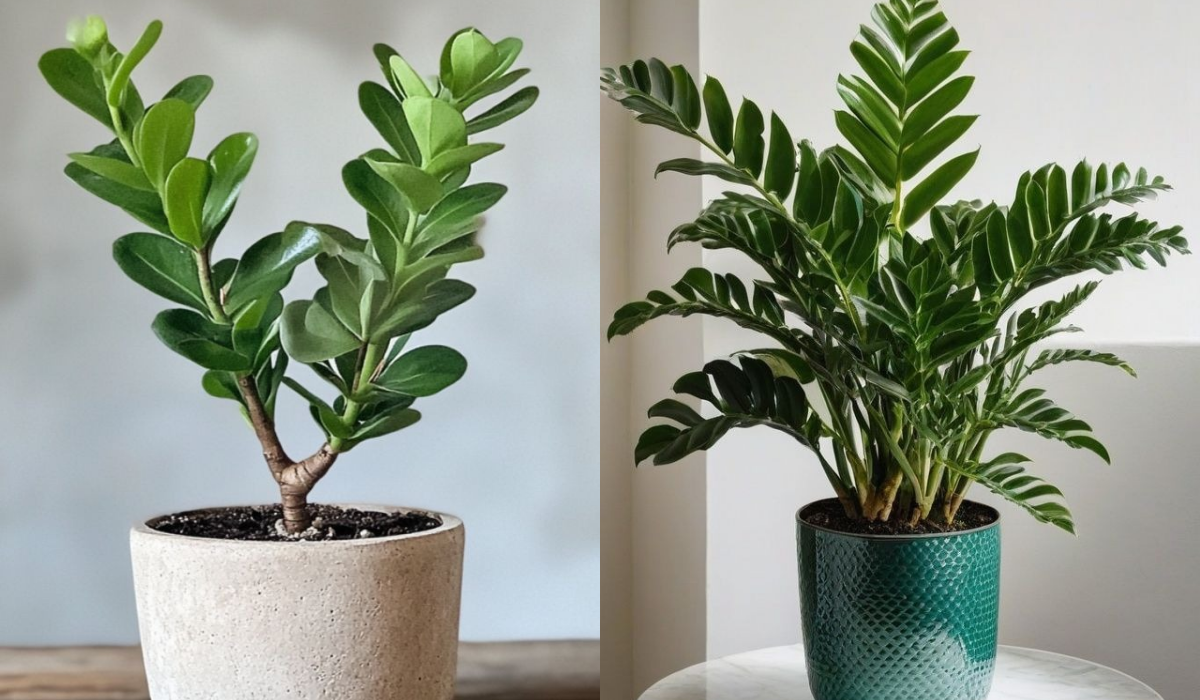
How to Make a ZZ Plant Bushier, also known as Zamioculcas zamiifolia, is one of the easiest houseplants I’ve ever grown. It survives low light, irregular watering, and even a bit of neglect. But there’s one common problem many people face—their ZZ plant grows tall but looks thin and sparse.
I’ve been there too. My first ZZ plant had long stems with big gaps between leaves. It didn’t look full or attractive. But after trying a few simple changes, I was able to turn it into a lush, bushy plant. In this blog, I’m sharing 7 practical tricks that actually worked for me.
IN THIS ARTICLE
1. Give It Bright Indirect Light
ZZ plants can survive in low light, but they won’t thrive there. In dim corners, they stretch toward light, creating long, weak stems—this is called leggy growth.
When I moved my plant closer to a bright window (without direct sunlight), I noticed a big difference. New stems started growing shorter, thicker, and closer together.
Tip: A north or east-facing window is perfect. If natural light is limited, a grow light for a few hours daily also helps.
2. Prune Long Stems
Pruning might feel risky, but it’s one of the best ways to make your ZZ plant fuller.
What I do is cut the tallest or oldest stems close to the soil. This encourages the plant to push out new shoots from the base, which makes it look bushier over time.
The first time I pruned, I was nervous. But within a couple of months, I saw fresh stems coming up—and the plant looked much better.
3. Propagate and Replant
This is one of my favorite tricks. Instead of throwing away cuttings, I use them to grow new plants and add them back into the same pot.
You can take healthy leaves or stems, let them dry for a few hours, and then place them in water or soil. It takes time (ZZ plants are slow), but eventually roots and small rhizomes form.
Once ready, plant them back into the pot. More stems in one pot = a fuller plant.
4. Choose the Right Pot Size
Pot size plays a bigger role than most people think.
- Too big: The plant focuses on root growth instead of leaves
- Too small: Roots get crowded, and growth slows
I prefer using a pot that’s just slightly bigger than the root ball. ZZ plants actually like being a little snug in their pots.
Always make sure the pot has good drainage holes to avoid root rot.
5. Fertilize During Growing Season
ZZ plants don’t need much feeding, but a little boost can make a big difference.
During spring and summer, I use a balanced liquid fertilizer diluted to half strength every 4–6 weeks. This helps the plant grow faster and produce more stems.
Just be careful not to overdo it. Too much fertilizer can damage the roots.
6. Divide the Plant
If your ZZ plant is older, chances are it has multiple rhizomes (those potato-like roots) under the soil.
You can gently remove the plant from the pot and separate these rhizomes into sections. Each section can be replanted.
I once divided a mature plant into two and placed both parts in one pot—it instantly looked fuller and more balanced.
7. Be Patient and Consistent
This is the most important lesson I’ve learned. ZZ plants grow slowly, and results take time.
- New stems may take 2–3 months to appear
- Full bushy growth can take 6–12 months
During this time, I simply stick to the basics:
- Water every 2–3 weeks (only when soil is dry)
- Keep it in consistent light
- Rotate the pot occasionally
- Clean the leaves to keep them healthy
The growth may be slow, but it’s very rewarding.
Common Mistakes to Avoid
From my experience, these mistakes keep ZZ plants thin:
- Keeping them in very low light
- Overwatering (this is the biggest issue)
- Never pruning old stems
- Using oversized pots
- Not feeding at all
Fixing even one of these can improve your plant’s appearance.
Final Thoughts
Making a ZZ plant bushy is not difficult—it just requires a few small changes and some patience.
For me, the biggest difference came from better light and regular pruning. Once I understood what the plant needed, everything else became easier.
If your ZZ plant looks thin right now, don’t worry. Start by moving it to a brighter spot. Then try pruning one or two long stems. Over time, you’ll see new growth filling in the gaps.
The best part? When those fresh, thick stems start emerging from the soil, it feels incredibly satisfying.
Trust me—your ZZ plant has the potential to become a beautiful, full, and eye-catching indoor plant. You just need to give it the right conditions.
Frequently Asked Questions
1. Why is my ZZ plant growing tall but not bushy?
This usually happens due to low light. The plant stretches toward light, causing long, thin stems. Move it to bright indirect light to encourage fuller growth.
2. How can I make my ZZ plant bushier?
To make your ZZ plant bushy, provide bright indirect light, prune long stems, use proper fertilizer, and propagate cuttings back into the same pot.
3. How often should I water a ZZ plant?
Water your ZZ plant only when the soil is completely dry. In most homes, this means watering every 2–3 weeks. Overwatering can damage roots and stop new growth.
4. Does pruning help ZZ plant grow fuller?
Yes, pruning is one of the best ways to encourage bushy growth. Cutting long stems at the base helps the plant produce new shoots from the soil.
5. What is the best light for ZZ plant growth?
ZZ plants grow best in bright indirect light. While they tolerate low light, they won’t grow full and bushy in dark conditions.
6. Can I propagate ZZ plant to make it fuller?
Yes, you can propagate ZZ plant using leaf or stem cuttings. Once rooted, plant them back into the same pot to create a fuller, bushier look.
7. How long does it take for a ZZ plant to become bushy?
ZZ plants grow slowly. With proper care, you may see improvement in 3–6 months, while a full, bushy look can take up to a year.