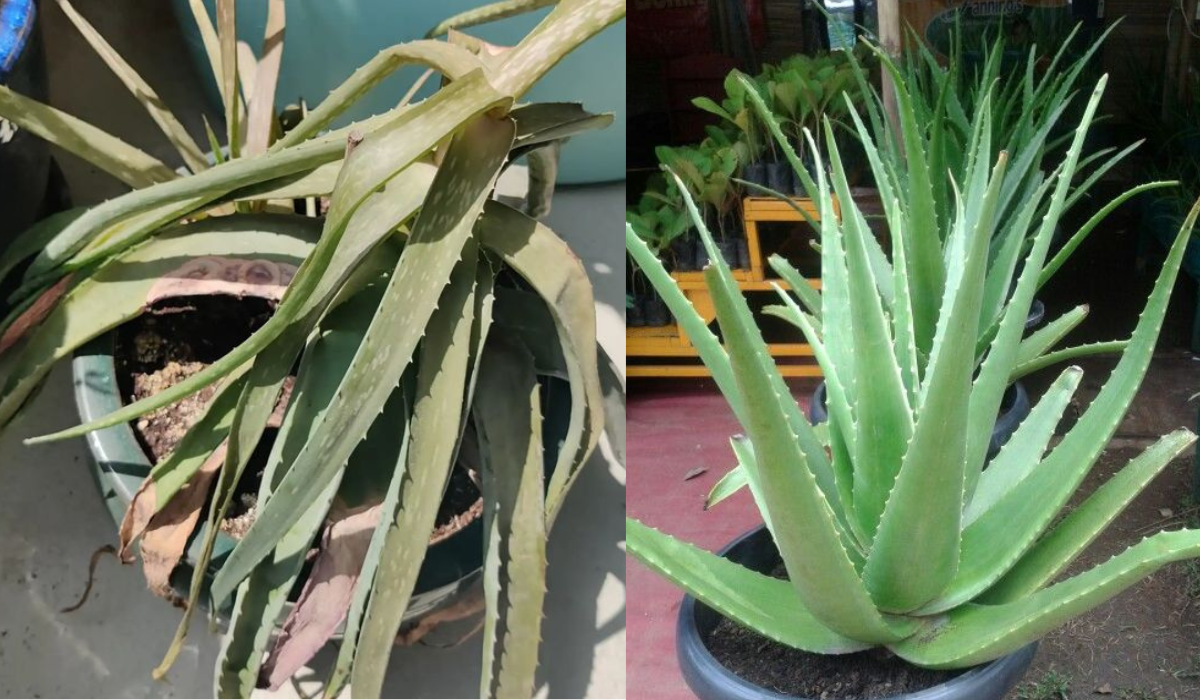
If your Aloe Vera plant (Aloe vera) is looking weak, turning yellow, or becoming soft, don’t worry. Aloe vera is a strong plant, and in most cases, it can recover easily with the right care. The main problems usually come from too much water, poor soil, or wrong sunlight. In this guide, I will explain in simple language how you can bring your aloe plant back to life.
From my personal gardening experience, I have seen many aloe plants recover within a few weeks after fixing small mistakes. You just need to understand what your plant is trying to tell you.
IN THIS ARTICLE
What Causes Aloe Vera Plant to Die?
Before you fix the plant, it is important to know the reason. Here are the most common causes:
- Overwatering
- Underwatering
- Poor drainage soil
- Too much direct sunlight
- Lack of sunlight
- Root rot
Most beginners make the mistake of watering too often. Aloe is a succulent plant, so it stores water in its leaves. It does not need daily watering like other plants.
Signs Your Aloe Plant is Unhealthy
You can easily understand the problem by looking at the leaves:
- Yellow and soft leaves mean too much water
- Thin and wrinkled leaves mean less water
- Brown tips mean strong sunlight damage
- Black roots or bad smell mean root rot
- No growth means poor soil or small pot
Once you identify the problem, fixing it becomes very easy.
Proper Watering Method
Watering is the most important part of aloe care.
Always check the soil before watering. Put your finger into the soil. If it feels dry, then water the plant. If it is still wet, do not water.
In summer, water once every 7 to 10 days. In winter, water once every 15 to 20 days. This may change depending on your area, so always check the soil instead of following a fixed schedule.
If your plant is overwatered, stop watering for a few days and let the soil dry completely. If it is underwatered, give one deep watering and then follow the correct schedule.
Best Soil for Aloe Vera
Aloe vera needs light and well-draining soil. Heavy soil holds water and damages the roots.
You can make a simple soil mix at home:
- 50 percent garden soil
- 25 percent sand
- 25 percent compost
You can also use ready-made cactus or succulent mix from the market.
From my experience, changing the soil alone can improve the plant’s health very quickly.
Sunlight Requirement
Aloe vera grows best in bright light. It needs sunlight but not too much strong heat.
Keep the plant where it gets morning sunlight. Avoid strong afternoon sunlight, especially in hot areas like India.
If you keep it indoors, place it near a window where sunlight comes in. Lack of sunlight can slow down growth and make the plant weak.
Repotting the Aloe Plant
Sometimes the problem is in the pot. If the plant is too big for the pot or the soil is bad, repotting is needed.
Take the plant out carefully. Remove old soil and check the roots. Cut any damaged or black roots. Let the plant dry for one day before planting again.
Use fresh dry soil and a pot with drainage holes. This step is very helpful in saving a dying plant.
Pruning and Cleaning
Remove all the damaged leaves. Yellow, soft, or rotten leaves should be cut.
This helps the plant focus on new and healthy growth. Always use clean scissors or a blade to avoid infection.
How to Fix Root Rot
Root rot happens when the plant stays in wet soil for too long. It is a serious problem but can be fixed.
Take the plant out of the pot. Wash off the soil and check the roots. Cut all black and soft roots. Healthy roots are white and firm.
After cutting, let the plant dry for one or two days. Then plant it in fresh dry soil. Do not water immediately. Wait for a few days before watering again.
Air and Environment
Aloe plants do not like too much humidity. Keep the plant in a place where air can move freely.
Avoid keeping it in closed rooms or very damp areas. Good air circulation helps prevent disease and keeps the plant healthy.
Simple Tips from My Experience
- Always check soil before watering
- Do not water daily
- Use pots with holes for drainage
- Clay pots are better than plastic
- Keep the plant in bright light
- Avoid overcare, aloe grows better with less attention
Conclusion
Reviving an Aloe Vera plant is very easy if you follow the right steps. Most problems happen because of overwatering or poor soil. Once you fix these, the plant starts improving on its own.
In my gardening journey, I have seen aloe plants come back to life even after looking completely damaged. Within two to three weeks, you can see new healthy leaves if you take proper care.
If your plant is still not improving, you can observe it closely or make small changes step by step. Aloe vera is a strong plant, and with a little patience, it will grow healthy again.