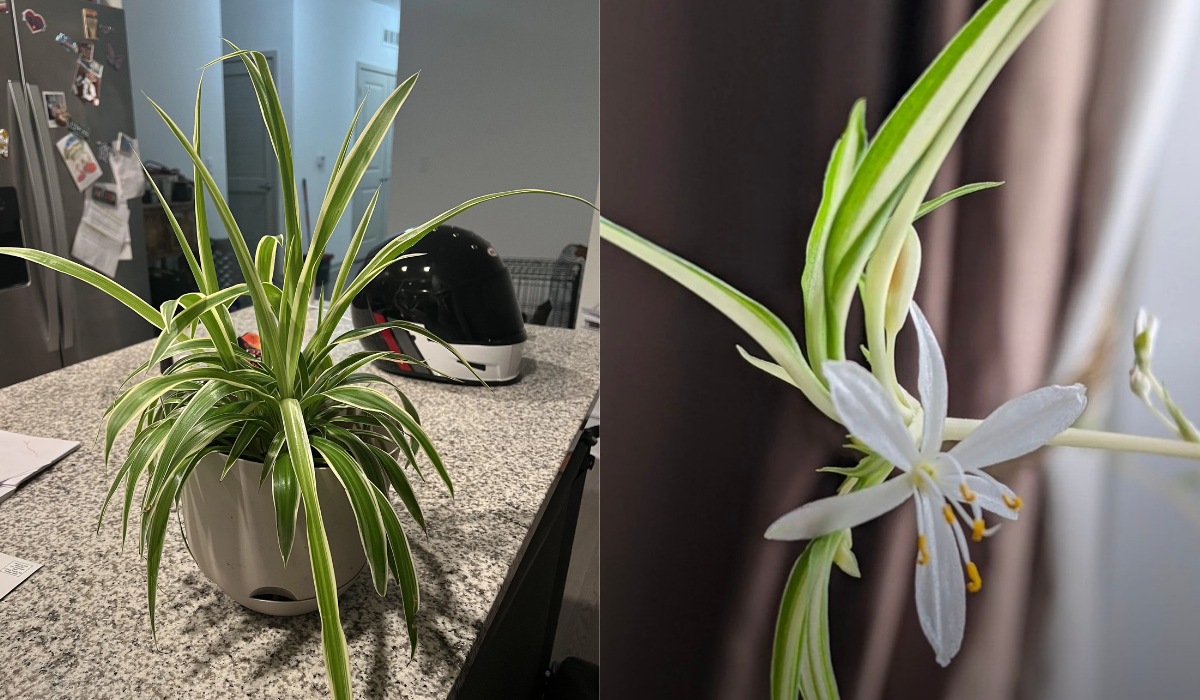
Spider plant is not thriving is a common problem many plant lovers face, especially when growing it indoors. If your spider plant looks dull, has brown tips, or is not growing properly, there are a few simple reasons behind it. In this post, I am sharing 5 real reasons based on my personal gardening experience that helped me fix my spider plant and make it healthy again.
I have been growing spider plants for a long time in my home garden, and honestly, I also made many mistakes in the beginning. My plant stopped growing, leaves turned brown, and it looked weak. But after understanding these problems and fixing them step by step, my spider plant started thriving again. So here are the exact reasons you should check.
IN THIS ARTICLE
5 reasons why your Spider plant is not thriving
1. Overwatering Your Spider Plant
One of the biggest mistakes I made was giving too much water.
Spider plants do not like soggy soil. If the roots stay wet for too long, they start rotting, and the plant becomes weak.
Signs of overwatering:
- Yellow leaves
- Soft or mushy roots
- Foul smell from soil
- Slow growth
What I did to fix it:
- I reduced watering frequency
- Allowed the top 1–2 inches of soil to dry before watering
- Used a pot with drainage holes
This simple change made a huge difference.
2. Wrong Light Conditions
Spider plants need bright indirect sunlight to grow properly.
In my case, I kept my plant in a low-light corner, and it stopped producing new leaves.
Common light mistakes:
- Too much direct sunlight → burns leaves
- Too little light → slow growth
What worked for me:
- Placed the plant near a window with filtered sunlight
- Avoided harsh afternoon sun
After this, my plant started growing faster and looked fresh.
3. Poor Soil Quality
Soil plays a very important role, but many people ignore it.
Initially, I used heavy garden soil, and water was not draining properly. This caused root problems.
Ideal soil for spider plant:
- Well-draining
- Light and airy
- Rich in organic matter
My solution:
- Mixed garden soil + cocopeat + compost
- Ensured proper drainage
After changing the soil, the roots became healthy, and growth improved.
4. Low Humidity and Temperature Stress
Spider plants prefer moderate humidity and stable temperatures.
When I kept my plant near a fan and AC, it started showing brown tips.
Problems caused by low humidity:
- Dry leaf tips
- Curling leaves
- Slow growth
What I did:
- Moved the plant away from direct airflow
- Occasionally misted the leaves
- Kept it in a slightly humid area
This helped maintain leaf health.
5. Lack of Nutrients (No Fertilizer)
Another mistake I made was not feeding the plant.
Even though spider plants are low-maintenance, they still need nutrients to grow.
Signs of nutrient deficiency:
- Pale leaves
- Weak growth
- Smaller leaves
My fix:
- Used a balanced liquid fertilizer once a month
- Added compost occasionally
Within a few weeks, I noticed greener and healthier leaves.
Final Thoughts
If your spider plant is not thriving, don’t worry—it’s usually due to simple care mistakes. From my personal experience, fixing watering, light, soil, humidity, and nutrients can completely transform your plant.
Once I corrected these 5 things, my spider plant not only recovered but started producing many baby plants as well.
Take small steps, observe your plant, and adjust care slowly. Your spider plant will definitely start thriving again.