
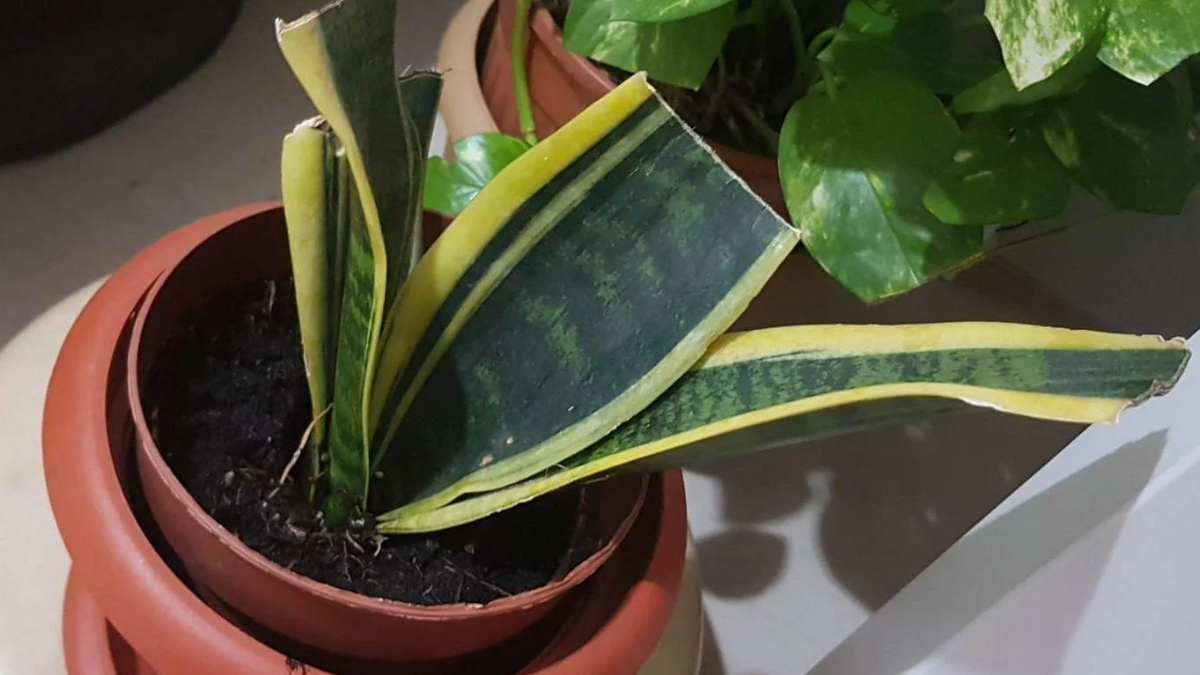
Snake Plant Care Guide is very easy if you understand one simple rule – do not overwater. Snake plant is one of the strongest and most beginner-friendly indoor plants. With proper watering, well-draining soil, and the right light, it can stay healthy for many years. If you are looking for a low-maintenance plant for your home or office, snake plant is a perfect choice.
I have been growing snake plants in my home garden and balcony for years. In my personal experience, this plant survives even if you forget to water it sometimes. But when you follow proper care, it grows taller, stronger, and produces new shoots regularly. In this post, I am sharing my real gardening experience so you can grow a beautiful and healthy snake plant at home.
IN THIS ARTICLE
About Snake Plant (Dracaena trifasciata)
The Snake Plant is scientifically known as Dracaena trifasciata. Earlier it was called Sansevieria, and many people still use that name. It is also known as Mother-in-Law’s Tongue because of its long, upright leaves.
Snake plant is a hardy succulent-type plant that stores water in its thick leaves. That is why it does not need frequent watering. It grows well indoors and can tolerate low light conditions, which makes it ideal for Indian homes.
This plant is popular because:
- It requires less maintenance
- It survives in low light
- It grows slowly but steadily
- It looks modern and stylish
Types of Snake Plant
There are many varieties of snake plants available in nurseries. Some popular types include:
- Laurentii – Green leaves with yellow edges
- Zeylanica – Dark green striped leaves
- Hahnii – Small, compact bird’s nest variety
All varieties follow almost the same care routine. Only the size and leaf pattern are different.
Snake Plant Watering Guide
Watering is the most important part of snake plant care. From my experience, most snake plants die because of overwatering, not underwatering.
Snake plant roots are sensitive to excess moisture. If soil stays wet for too long, roots start rotting.
How often to water:
- In summer: Every 10 to 15 days
- In winter: Every 20 to 25 days
- Always check soil before watering
Before watering, insert your finger 2 inches into the soil. If it feels completely dry, then water. If it is still moist, wait for a few more days.
Signs of overwatering:
- Yellow leaves
- Soft or mushy base
- Bad smell from soil
If you control watering properly, half of your plant care work is done.
Best Soil for Snake Plant
Well-draining soil is very important for snake plant.
In my garden, I use a simple soil mix:
- 50% garden soil
- 30% river sand
- 20% compost
You can also use cactus or succulent potting mix. The main goal is fast drainage. Soil should not hold water for a long time.
Avoid heavy clay soil because it retains water and causes root rot.
Always use a pot with drainage holes. Without drainage holes, even perfect soil mix will not help.
Sunlight Requirements for Snake Plant
Snake plant grows best in bright indirect sunlight, but it can also tolerate low light.
From my personal experience, when I placed my snake plant near a bright window, the leaves became thicker and more upright. In low light areas, growth becomes slower.
Best placement:
- Near east or north-facing window
- Indoor room with natural light
- Balcony with filtered sunlight
Avoid strong afternoon direct sunlight because it can burn the leaves.
Temperature and Humidity Needs
Snake plant grows well in normal room temperature.
Ideal temperature:
- Between 15°C to 30°C
It does not like extreme cold. In winter, keep it away from very cold drafts or direct AC airflow.
The good thing is that snake plant does not require high humidity. Normal Indian household humidity is enough.
Fertilizing Snake Plant
Snake plant is not a heavy feeder. It does not need too much fertilizer.
In my experience, adding compost once every 2 to 3 months is enough.
You can also use:
- Mild liquid fertilizer during spring and summer
- Organic compost for slow feeding
Avoid fertilizing in winter because plant growth slows down.
Too much fertilizer can cause brown leaf tips and root damage.
Snake Plant Propagation Methods
One of the best things about snake plant is easy propagation. I have multiplied many plants from one mother plant.
Division method is the easiest and fastest.
Steps for division:
- Remove plant from pot carefully
- Separate root clumps
- Plant each section in a new pot
- Water lightly
Leaf cutting method is also possible.
Steps for leaf cutting:
- Cut a healthy leaf
- Let it dry for one day
- Plant in well-draining soil
- Water lightly after few days
New growth usually appears in 4 to 6 weeks.
Common Snake Plant Problems
Even though snake plant is strong, sometimes problems can happen.
Yellow leaves usually mean overwatering. Reduce watering immediately.
Soft or mushy base means root rot. In this case, remove damaged roots and repot in fresh dry soil.
Brown tips may appear because of too much fertilizer or extreme heat. Adjust care routine accordingly.
In most cases, correcting watering and improving drainage solves the problem.
Why Snake Plant is Perfect for Beginners
From my personal gardening journey, I always recommend snake plant to beginners because:
- It survives neglect
- It requires less attention
- It grows in small pots
- It adapts to indoor conditions easily
Even if you are busy with work or business, this plant will not demand daily care.
Conclusion Snake Plant Care
Snake plant care becomes easy when you focus on proper watering, well-draining soil, and moderate sunlight. This plant does not need too much attention, but it does need correct care.
In my experience, once you understand its watering pattern, snake plant becomes one of the most rewarding indoor plants. It grows slowly but steadily and produces new shoots over time.