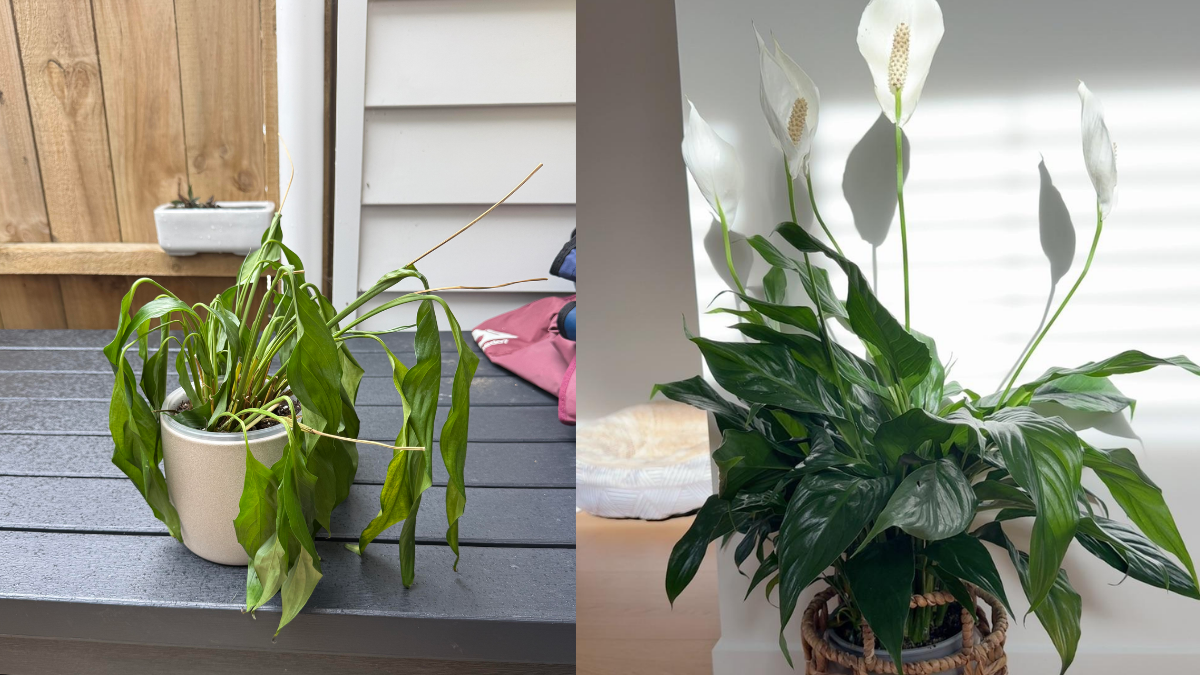
How to take care peace Lily plant- Look, I’ll be honest with you – when I bought my first Peace Lily, I killed it within three months. Turned into a crispy, yellow mess that looked like it had given up on life. But after killing a few more (and learning the hard way), I’ve finally figured out what these dramatic plants actually need.
Now I’ve got seven of them scattered around my house, and they’re thriving. Here’s everything I wish someone had told me when I started.
IN THIS ARTICLE
The Truth About Light That Nobody Tells You
Everyone says Peace Lilies are “low light plants.” That’s kind of true, but also kind of misleading.
Here’s what I learned:
My first Peace Lily sat in a dark corner of my living room. It survived for months – barely grew, never flowered, just sat there looking sad. I thought that was normal.
Then I moved apartments and put it near a north-facing window by accident. Within weeks, new leaves appeared. Within months, I got my first white flower. Mind blown.
The real deal:
- Bright indirect light = happy plant that actually blooms
- Low light = plant that survives but won’t thrive
- Direct sun = burned leaves that turn yellow and crispy
My bedroom Peace Lily sits about 3 feet from an east window. Gets that soft morning sun, then bright light the rest of the day. It’s flowered four times this year.
Pro tip I discovered: If your plant isn’t flowering after a year, it’s begging for more light. Simple as that.
Watering: The Drama Queen Test
Peace Lilies are the ultimate drama queens of the plant world. They’ll literally faint when thirsty.
First time my plant drooped dramatically, I panicked. Thought it was dying. Texted my plant-obsessed friend at midnight. She laughed and said “just water it.”
Within two hours, it stood right back up like nothing happened.
But here’s the thing – don’t let it get to that point regularly. It stresses the plant out.
My watering routine that actually works:
I stick my finger in the soil about once a week. If the top inch is dry, I water. If it’s still damp, I wait a few days.
When I water, I do it properly – take it to the sink, soak it until water runs out the bottom, let it drain completely, then put it back.
The mistake I made early on: watering a little bit every few days. That’s terrible for them. They want a good soak, then time to dry out a bit.
Seasonal reality check:
- Summer: about once a week
- Winter: every 10-14 days (sometimes less)
And yeah, tap water can cause brown tips. Started using filtered water and the difference was noticeable within weeks.
The Humidity Struggle Is Real
I live in a place with brutal winters. Heating runs constantly. Air gets drier than a desert.
My Peace Lilies hated me for it. Brown tips everywhere.
What I tried that actually helped:
- Pebble trays: Fancy name for putting rocks in a tray with water and setting the plant on top. Sounds ridiculous. Works surprisingly well.
- Group therapy: Clustered all my plants together. They create their own little humid bubble.
- Humidifier: Bought a small one for my bedroom where I keep my favorite plant. Game changer.
Temperature wise: Keep them away from drafts. Learned this after putting one near a drafty window in winter. Lost half its leaves. Oops.
They’re happiest between 65-80°F – basically whatever temperature you’re comfortable with.
Soil and Fertilizer: Keep It Simple
I used to overcomplicate this. Bought expensive specialized mixes. Made my own complicated blends.
Now? I just use regular potting mix with some perlite mixed in. That’s it. The perlite helps with drainage so roots don’t sit in water.
Fertilizer – don’t go crazy:
Peace Lilies are light feeders. I fertilize maybe once a month during spring and summer. Half strength. That’s plenty.
Stop completely in winter. They’re resting then.
The over-fertilizing nightmare: Been there. Brown crispy leaf tips everywhere. White crust on the soil. Plant looked poisoned. Had to flush the soil repeatedly to fix it.
Lesson learned – less is definitely more.
When to Repot (and When to Leave Them Alone)
Peace Lilies have a weird quirk – they like being root bound. My biggest plant has been in the same pot for three years and is thriving.
Signs it’s actually time to repot:
- Roots crawling out the bottom like they’re escaping
- Soil dries out immediately after watering
- Plant looks top-heavy and might tip over
When I repot: I go up just one pot size. Maybe two inches bigger. That’s it.
Too big a pot = too much wet soil = root rot. Made that mistake once. Never again.
Best time: Spring. Plants wake up, start growing, adjust better.
Making More Plants: Propagation the Easy Way
Want free plants? Divide your Peace Lily when you repot.
How I do it:
- Take the whole plant out
- Gently separate the roots into sections
- Each section needs leaves and roots
- Pot each one up
- Water well
That’s literally it. I’ve given away maybe ten plants this way. Friends think I’m some kind of plant wizard. Little do they know it’s the easiest thing ever.
Problems I’ve Faced (And How I Fixed Them)
Yellow Leaves
Happened a lot when I first started. Usually meant I was overwatering. Let the soil dry out more between waterings, problem solved.
Sometimes it’s too much sun. Moved plant back from window, new growth came in green.
Brown Tips
Still happens occasionally. Usually low humidity or tap water. Increased humidity, switched to filtered water, tips on new leaves stayed green.
Drooping
Classic thirst signal. But if soil is wet and plant droops? That’s root rot from overwatering. Lost a plant to this. Soil was soaked, roots were mushy. Had to throw it out.
Now I’m way more careful with drainage.
No Flowers
Almost always not enough light. Moved plant to brighter spot, flowers appeared within months.
Pests
Got spider mites once. Tiny webs, leaves looked dusty. Wiped everything down with soapy water, repeated weekly for a month. They eventually gave up.
The Pet Thing: Yes, It’s Toxic
My cat tried to nibble a leaf once. Within minutes, she was drooling and pawing at her mouth. Scared me half to death.
Quick call to the vet confirmed – calcium oxalate crystals. Causes mouth irritation, drooling, vomiting. Not deadly, but miserable.
Now all my Peace Lilies live where she can’t reach them. High shelves mostly. She’s fine, plants are fine, everyone’s happy.
If you’ve got curious pets or toddlers, keep this in mind.
Conclusion: Why I Keep Growing Them
After killing my first few, I almost gave up on Peace Lilies completely. But something kept pulling me back. Maybe it was how elegant they look. Maybe it was how forgiving they are once you understand them.
Now they’re everywhere in my house. My original survivor plant is over five years old. Still flowers regularly. Still droops dramatically when it wants water. Still perks right back up afterwards.
The biggest lesson I’ve learned: Plants want to live. Give them decent light, don’t drown them, and they’ll usually figure the rest out.
Peace Lilies aren’t hard – they just have preferences. Once you learn what those are, you’re golden.
How often do you actually water?
When the top inch of soil is dry. For me that’s weekly in summer, every 10-14 days in winter.
Can they live in low light?
They’ll survive but won’t flower. Give them bright indirect light if you want them to actually thrive.
Yellow leaves mean what?
Usually too much water. Sometimes too much sun. Check both.
How do I get more flowers?
More light. That’s the secret. A little fertilizer helps too.
How long do they live?
My oldest is five and going strong. Seen online posts from people with 15+ year old plants. They’re long-term companions.