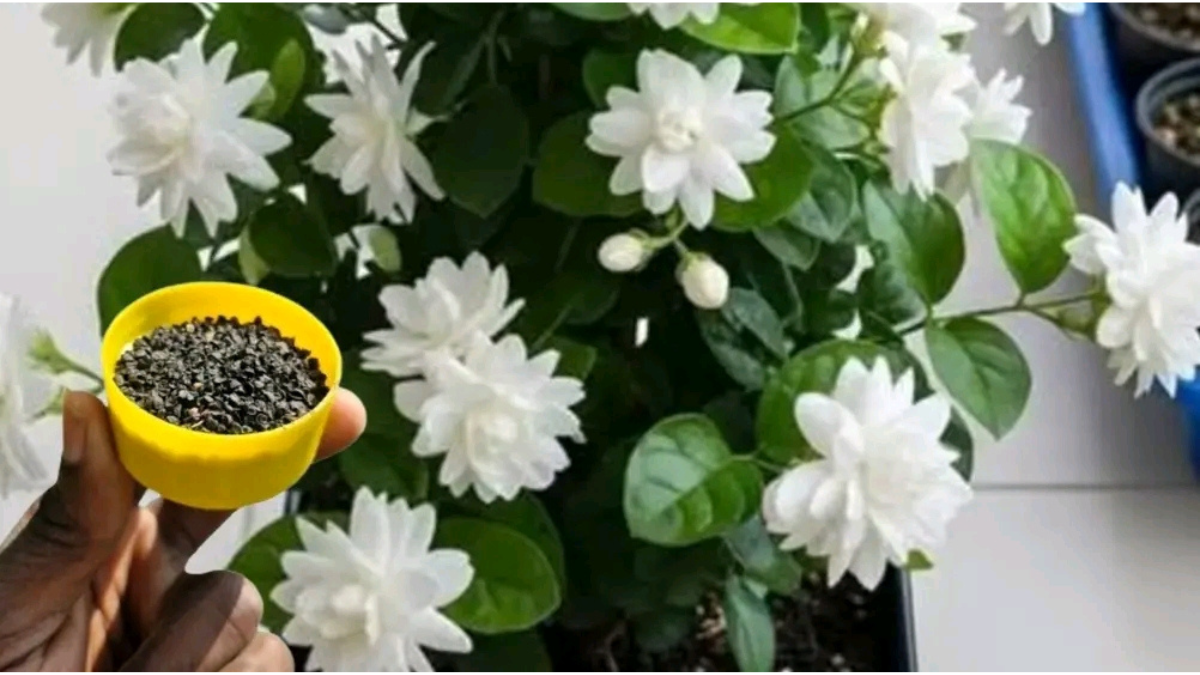
How to Take Care of a Jasmine Plant – I have always loved jasmine plants. The small white flowers and their sweet fragrance make any garden or balcony feel fresh and peaceful. A few years ago, I bought my first jasmine plant for my balcony. At the beginning, I didn’t know much about its care. Sometimes the plant looked healthy, and sometimes it stopped growing or didn’t produce flowers.
After spending some time observing the plant and trying different care methods, I slowly understood what jasmine really needs. Now my jasmine plant grows well and blooms beautifully during the season.In this article, I’m sharing my personal experience and simple care tips so anyone can grow a healthy jasmine plant at home.
IN THIS ARTICLE
About the Jasmine Plant
Jasmine is a popular flowering plant known for its beautiful white flowers and strong fragrance. Many people grow it in gardens, terraces, balconies, or near windows.
Some jasmine varieties grow like small shrubs, while others grow like climbing vines that need support.
The plant grows best in warm climates with good sunlight, and with proper care it can produce many flowers during the blooming season.
My Experience Growing Jasmine
When I first got my jasmine plant, I placed it in a corner of my balcony where it received very little sunlight.
The plant survived, but it didn’t grow much and there were almost no flowers.
Later I moved the pot to a brighter place where it could get morning sunlight. After a few weeks I noticed new leaves and small flower buds appearing.
That experience taught me that sunlight is one of the most important things for jasmine plants.
Since then, I always make sure my plant gets enough light and proper care.
1. Give Your Jasmine Plant Enough Sunlight
From my experience, jasmine plants grow best when they receive at least 4 to 6 hours of sunlight every day.
Sunlight helps the plant grow strong stems and encourages more flowers.
Morning sunlight is especially good for the plant because it is gentle but still bright enough for healthy growth.
If the plant is kept in too much shade, it may grow slowly and produce fewer flowers.
For indoor plants, placing the pot near a bright window, balcony, or terrace usually works very well.
2. Water the Plant at the Right Time
Proper watering is very important for jasmine plants.
These plants like soil that is slightly moist but not too wet.
I usually check the top layer of soil before watering. If the soil feels dry, I water the plant.
During hot summer days, the plant may need more frequent watering, while in winter the watering can be reduced.
Overwatering can cause problems like yellow leaves or root rot, so it is always better to avoid keeping the soil too wet.
3. Use Good Quality, Well-Draining Soil
Healthy soil helps jasmine plants grow stronger roots and produce more flowers.
I usually prepare a simple potting mix that includes:
- Garden soil
- Organic compost
- Sand or cocopeat
This type of soil mixture keeps the soil loose, rich in nutrients, and well-draining.
Good drainage is important because jasmine roots do not like sitting in water for long periods.
4. Feed the Plant for Better Growth and Flowers
Like most flowering plants, jasmine also benefits from occasional feeding.
From my experience, adding organic compost once every 3 to 4 weeks helps the plant grow healthier.
Sometimes I also use a liquid fertilizer during the growing season to support flowering.
Healthy soil and regular feeding can encourage the plant to produce more buds and stronger blooms.
5. Pruning Helps the Plant Grow Bushier
Pruning is a simple but very helpful step in jasmine plant care.
Whenever my jasmine plant starts looking too long or messy, I trim some of the extra branches.
This helps the plant focus its energy on new growth and flower production.
Pruning also helps the plant become bushier and more compact, which makes it look more beautiful.
The best time to prune jasmine is usually after the flowering season.
6. Provide Support for Climbing Jasmine
Some jasmine varieties grow like vines and naturally climb upward.
If you are growing a climbing variety, it is helpful to provide support such as:
- A small trellis
- Garden fence
- Wooden stick or plant support
With proper support, the plant can grow upward and spread beautifully across a balcony or garden wall.
This also helps the plant get better sunlight and airflow.
7. Keep an Eye on Pests and Plant Health
Like many garden plants, jasmine can sometimes attract pests such as aphids, spider mites, or whiteflies.
If I notice pests on the leaves, I usually spray neem oil solution or mild soap water on the plant.
These natural remedies are often enough to control pests without harming the plant.
Also, regularly checking the leaves and stems helps catch problems early before they become serious.
Common Problems I Faced While Growing Jasmine
Here are a few issues I experienced while caring for my jasmine plant.
No flowers:
This usually happens when the plant does not get enough sunlight.
Yellow leaves:
Often caused by overwatering or poor soil drainage.
Slow growth:
Sometimes the plant needs more nutrients or better sunlight.
Once I adjusted these factors, my plant started growing healthier again.
Conclusion
Taking care of a jasmine plant is not very difficult once you understand its basic needs.
From my personal experience, the most important things are:
- Giving the plant enough sunlight
- Watering it properly
- Using well-draining soil
- Feeding the plant occasionally
- Pruning when needed
With a little attention and care, jasmine plants can reward you with beautiful fragrant flowers that make your home feel fresh and relaxing.
Watching my jasmine plant grow and bloom has been a wonderful gardening experience, and the fragrance of the flowers is always worth the effort.
How often should I water a jasmine plant?
Water your jasmine plant when the top layer of soil feels dry. In summer it may need watering more often, while in winter watering can be reduced.
How much sunlight does a jasmine plant need?
Jasmine plants grow best with 4–6 hours of sunlight daily. Morning sunlight is ideal for healthy growth and more flowers.
Why is my jasmine plant not flowering?
The most common reason is not enough sunlight. Jasmine also needs proper nutrients and regular pruning to produce more blooms.
Can jasmine grow in pots?
Yes, jasmine grows very well in pots. Just make sure the pot has good drainage holes and the plant receives enough sunlight.
How do I make my jasmine plant bushier?
Regular pruning and trimming long stems helps the plant grow bushier and encourages new growth.
What fertilizer is best for jasmine plants?
Organic compost or a balanced liquid fertilizer works well. Feeding the plant every 3–4 weeks during the growing season helps improve flowering.
How to take care peace Lily plant – with my experience
How to Grow and Care for Kalanchoe 2026 – with My Experience)