
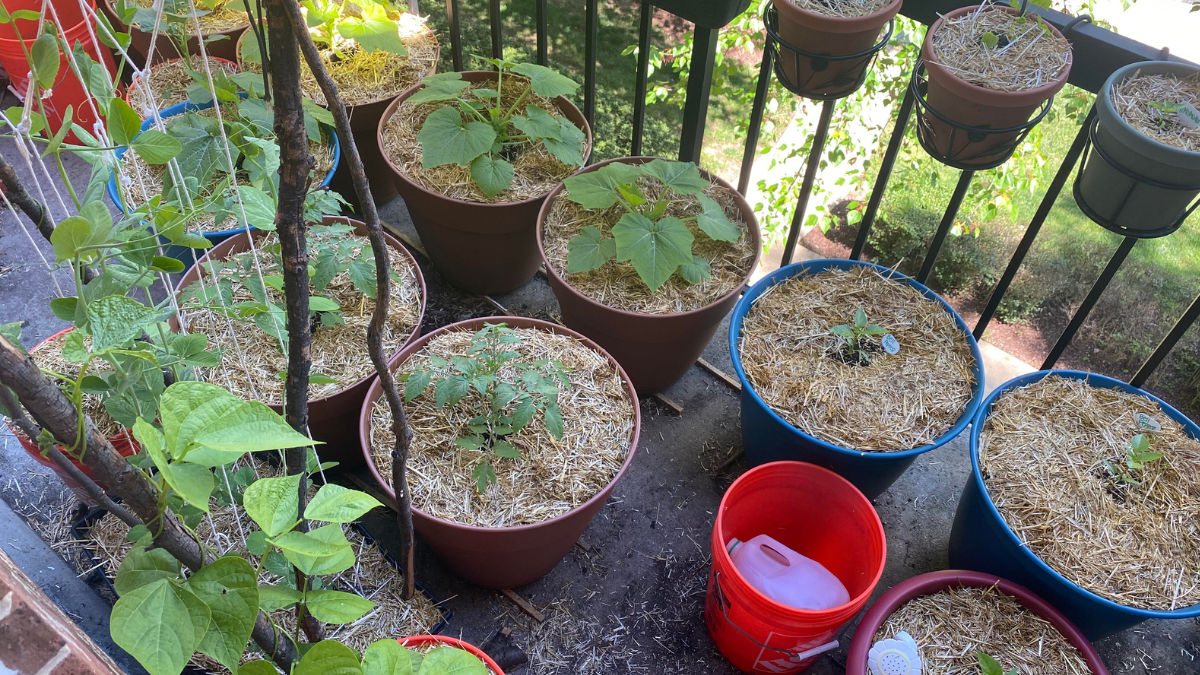
How to grow your own herbs in 2026 is simple, practical, and possible anywhere in the world. Whether you live in India, the USA, Europe, Australia, or the Middle East, herbs can grow easily in pots, raised beds, balconies, or even kitchen windows. With the right soil, watering routine, and sunlight understanding, anyone can enjoy fresh, organic herbs at home.
I have been growing herbs for years in different seasons and conditions. Coming from a farming background, gardening is natural for me. I have tested herbs in hot summers, rainy seasons, and cooler months. I made mistakes in the beginning like overwatering and using heavy soil, but over time I learned what works best. In this global guide, I’m sharing my real experience so anyone can grow herbs successfully in 2026.
IN THIS ARTICLE
Why Growing Your Own Herbs in 2026 is a Smart Choice
In 2026, more people want healthy, organic, and chemical-free food. Herbs are expensive in supermarkets and often lose freshness quickly. Growing your own herbs gives you:
- Fresh flavor anytime
- Chemical-free leaves
- Lower grocery costs
- Better health
- Mental relaxation
Even small spaces can produce a good amount of herbs if managed properly.
Best Herbs to Grow Globally
These herbs grow well in most climates worldwide:
- Basil – Loves warm weather and sunlight
- Mint – Grows fast and adapts easily
- Coriander (Cilantro) – Prefers cooler conditions
- Parsley – Good for mild climates
- Rosemary – Thrives in sunny, dry areas
- Thyme – Low maintenance and drought tolerant
- Chives – Easy for beginners
If you live in colder regions, grow herbs in summer or indoors near sunny windows.
Choosing the Right Location
Herbs need the right placement for healthy growth.
Outdoor Growing
- Balcony
- Terrace
- Backyard
- Patio
Indoor Growing
- Near south-facing or bright windows
- Under grow lights (if sunlight is limited)
From my experience, herbs grow faster outdoors because of natural airflow and sunlight.
Selecting the Right Containers
Herbs grow well in:
- Clay pots
- Plastic pots
- Fabric grow bags
- Raised garden beds
Important tips:
- Minimum 6–8 inches depth
- Proper drainage holes
- Avoid water stagnation
Drainage is critical. Without it, roots rot quickly.
Best Soil Mix for Herbs
Herbs prefer loose, well-draining soil.
Ideal Soil Mix:
- 40% garden soil or potting mix
- 30% compost
- 20% cocopeat or peat moss
- 10% sand or perlite
This combination ensures:
- Good drainage
- Proper aeration
- Healthy root growth
Heavy soil causes poor growth and yellow leaves.
Sunlight Requirements for Herbs
Most herbs need 4–6 hours of direct sunlight daily.
- Basil, rosemary, thyme → Full sun
- Mint, parsley → Partial sun
- Cilantro → Mild sun
In very hot climates, afternoon shade helps prevent leaf burn.
If sunlight is low, use LED grow lights for 10–12 hours daily.
Watering Schedule for Healthy Herbs
Watering is the most common mistake.
Simple Rule:
- Check top 1 inch of soil
- If dry → Water
- If moist → Wait
General guidance:
- Summer → Water daily or alternate days
- Winter → Water every 2–3 days
- Rainy climate → Water only when needed
Overwatering leads to root rot and yellow leaves.
Fertilizing for Better Growth
Herbs do not need heavy feeding.
Every 3–4 weeks:
- Add compost
- Use organic liquid fertilizer
- Apply diluted seaweed solution
Avoid strong chemical fertilizers. They reduce flavor quality.
Growing Herbs from Seeds
Steps to grow from seeds:
- Fill container with soil mix
- Sprinkle seeds lightly
- Cover with thin soil layer
- Spray water gently
- Place in sunlight
Seeds usually germinate in 5–14 days depending on temperature.
Do not bury seeds too deep.
Growing Herbs from Cuttings
Mint, rosemary, thyme grow easily from cuttings.
Steps:
- Cut healthy 4–5 inch stem
- Remove lower leaves
- Place in water for root development
- Transfer to soil after roots appear
This method gives faster harvest.
Temperature and Climate Considerations
Herbs grow best between 15°C to 30°C (59°F to 86°F).
- Cold regions → Grow during warm months
- Very hot regions → Provide partial shade
- Humid areas → Ensure airflow to prevent fungus
Adjust care based on your country’s climate.
Common Problems and Solutions
| Problem | Cause | Solution |
|---|---|---|
| Yellow leaves | Overwatering | Reduce watering |
| Slow growth | Poor sunlight | Increase light exposure |
| White fungus | High humidity | Improve airflow |
| Wilting leaves | Underwatering | Water properly |
| Weak stems | Lack of nutrients | Add compost |
Most herb issues are solved by correcting watering and sunlight.
Harvesting Herbs Properly
Correct harvesting improves growth.
- Cut top leaves only
- Never remove entire plant
- Use clean scissors
- Harvest in morning
Regular trimming makes plants bushy and healthy.
Indoor Herb Garden Tips for 2026
If growing indoors:
- Rotate pots weekly
- Ensure air circulation
- Avoid placing near AC vents
- Use trays under pots
Modern self-watering pots are helpful but still monitor soil moisture.
Sustainable Herb Gardening
In 2026, many gardeners are using eco-friendly methods:
- Kitchen waste composting
- Rainwater harvesting
- Organic fertilizers
- Reusable containers
Sustainable gardening improves soil and reduces waste.
Conclusion:
Growing your own herbs in 2026 is one of the easiest ways to start gardening globally. It does not matter where you live — herbs adapt well if given proper soil, sunlight, and balanced watering.
From my personal experience, starting small is the key. Even 2–3 pots can supply fresh herbs regularly. Once you understand watering and sunlight patterns, herb gardening becomes simple and enjoyable.