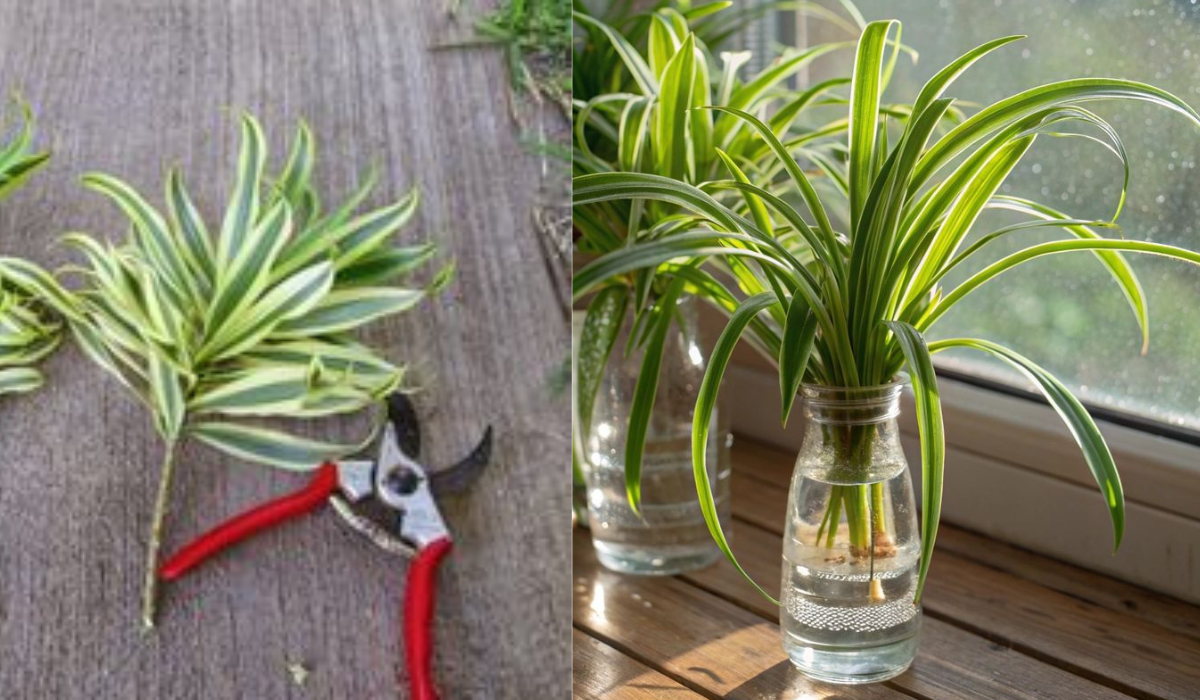
Can Dracaena Really Grow in Water?
Yes, Dracaena grow in water. The most common way is through water propagation, where you take a stem cutting and place it in water until roots develop . Many people also keep Dracaena sanderiana, known as “Lucky Bamboo,” in water permanently .
However, let me be honest with you from my experience. While small cuttings do very well in water, larger, mature Dracaena plants are not well-suited for long-term water growth. It is very difficult to find a container that can support a big plant and its root system . Most people use water propagation to create new plants and then either keep them small in water or move them to soil .
IN THIS ARTICLE
Best Dracaena Varieties for Growing in Water
From my research and experience, these Dracaena varieties work best in water:
| Variety | Common Name | Suitability |
|---|---|---|
| Dracaena sanderiana | Lucky Bamboo | Excellent – grows in water permanently |
| Dracaena fragrans | Corn Plant | Good for propagation |
| Dracaena marginata | Madagascar Dragon Tree | Good for propagation |
| Dracaena deremensis | Striped Dracaena | Good for propagation |
Lucky Bamboo is the most common Dracaena grown in water long-term. The other varieties are usually propagated in water and then moved to soil, though you can keep them small in water if you prefer .
What You Will Need
Before you start, gather these simple supplies:
- A healthy parent Dracaena plant
- Clean, sharp pruning shears or scissors
- A clear glass container (vase, jar, or bottle)
- Distilled water, rainwater, or filtered water
- Optional: Decorative pebbles or small stones
- Optional: Rooting hormone powder (helps roots grow faster)
Step-by-Step: How I Propagate Dracaena in Water
Let me walk you through my exact process. I have done this many times, and these steps work every time.
Step 1: Choose a Healthy Parent Plant
First, look at your Dracaena plant. Select a stem that is healthy, firm, and free from any pests, diseases, or damage . A healthy parent plant gives you the best chance of success.
Step 2: Take Your Cutting
Using your clean, sharp shears, cut a stem that is about 4 to 6 inches long . Make your cut just below a node. Nodes are the small bumps or rings on the stem where leaves emerge. This is where new roots will grow from.
If your cutting has leaves, remove the ones from the bottom half. You want no leaves sitting in the water because they will rot .
Step 3: Let the Cutting Dry (Very Important)
This step is something I learned the hard way. Do not put your cutting directly into water right after cutting it.
Place the cutting in a dry place and let the cut end dry and form a callus for about 1 to 2 days . This callus helps prevent rot when you put the cutting in water. I know waiting is hard, but trust me, it makes a big difference.
Step 4: Prepare Your Container
Choose a clear glass container. I like using clear vases or jars because I can see the roots as they develop .
If you want, you can add a layer of clean pebbles or decorative stones at the bottom. This helps hold the cutting in place and looks nice. Just make sure you wash the pebbles thoroughly before using them.
Fill the container with room-temperature distilled water, rainwater, or filtered water. Do not use tap water directly, and I will explain why soon .
Step 5: Place Your Cutting in Water
Put your cutting into the container. Make sure only the bottom part of the stem (the node area) is submerged in water. The leaves must stay completely above the water .
If your cutting keeps falling over, you can use pebbles to hold it in place.
Step 6: Find the Right Spot
Place your container in a warm spot that receives bright, indirect light . An east-facing windowsill works perfectly.
Avoid direct sunlight. Too much direct sun can heat the water and harm your cutting, plus it encourages algae growth .
Caring for Your Dracaena Cutting in Water
Once your cutting is in water, the waiting game begins. Here is how to care for it during this time.
Water Changes
Change the water completely every week, or sooner if it becomes cloudy . Fresh water brings oxygen to the developing roots and prevents bacteria from growing.
When you change the water, gently rinse the bottom of the cutting under lukewarm running water to remove any slime or debris .
Be Patient with Root Development
Roots usually appear in 4 to 8 weeks, but sometimes it takes even longer. I have had cuttings take nearly 3 months before showing roots . Do not give up too soon.
Once the roots are about 2 inches long, your cutting is ready either to stay in water or to be moved to soil .
Temperature
Keep your cutting in a warm area with temperatures between 65°F and 80°F (18°C to 27°C) . Avoid cold drafts and sudden temperature change
Moving Your Dracaena from Water to Soil
If you decide to move your water-grown Dracaena to soil, here is how to do it with the least stress on the plant.
When to Move
Wait until the roots are at least 2 inches long and have some branching. Strong, established roots have a much better chance of adapting to soil .
How to Move
- Choose a pot with drainage holes (very important)
- Use well-draining potting mix (regular houseplant soil mixed with perlite works well)
- Make a hole in the soil and gently place the cutting inside
- Cover the roots with soil, keeping the plant at the same depth it was in the water
- Water lightly to settle the soil around the roots
For the first few weeks, keep the soil slightly moist while the plant adjusts. Then switch to normal Dracaena watering, allowing the top inch of soil to dry out between waterings .
Fertilizing Dracaena in Water
Water alone does not provide nutrients. If you keep your Dracaena in water for more than a few months, you need to add fertilizer .
My fertilizing routine:
- Use a balanced liquid houseplant fertilizer
- Dilute it to quarter or half strength (weaker is better)
- Add it during a water change every 2-4 weeks in spring and summer
- Fertilize less often in winter
Do not over-fertilize. Too much fertilizer can burn the roots and harm your plant .
Final Thoughts From My Experience
Growing Dracaena in water has been one of my favorite plant experiments. There is something magical about taking a simple stem cutting, placing it in a glass of water, and watching roots slowly emerge over the following weeks.
Is it more work than growing in soil? Yes, a little. You need to change the water regularly and add fertilizer. But the joy of seeing those roots grow, and the beauty of a plant in a clear glass container, makes it worth the extra effort
FAQ Growing Dracaena in Water
1. Can I put a Dracaena cutting directly into water?
Yes, but let the cut end dry for 1-2 days first to form a callus. This prevents rot .
2. How long does it take for Dracaena roots to grow in water?
Usually 4 to 8 weeks, but sometimes longer. Be patient .
3. Can Dracaena live in water forever?
Some varieties like Lucky Bamboo can. Other Dracaena varieties can live in water long-term but will stay smaller and need regular fertilizer and water changes .
4. Why are my Dracaena leaves turning yellow in water?
This is often caused by tap water chemicals or lack of nutrients. Switch to distilled water and add diluted fertilizer .
5. How often should I change the water?
Change the water completely every 1-2 weeks, or sooner if it becomes cloudy .
6. Can I use tap water for my Dracaena in water?
It is better to use distilled water or rainwater. Tap water contains chlorine and fluoride that can damage Dracaena leaves .
7. Do I need to add fertilizer to the water?
Yes, if you keep the plant in water for more than a few months. Water alone has no nutrients. Use diluted liquid fertilizer every 2-4 weeks .
8. Can I move my water-grown Dracaena to soil?
Yes. Wait until roots are at least 2 inches long, then plant in well-draining soil in a pot with drainage holes .
9. Why is my cutting not growing roots?
Check the light, temperature, and water quality. Make sure you are not changing the water too often (once a week is enough). Some cuttings simply take longer than others .
10. Is Dracaena safe for pets?
No. Dracaena is toxic to cats and dogs. Keep it out of reach of pets and young children