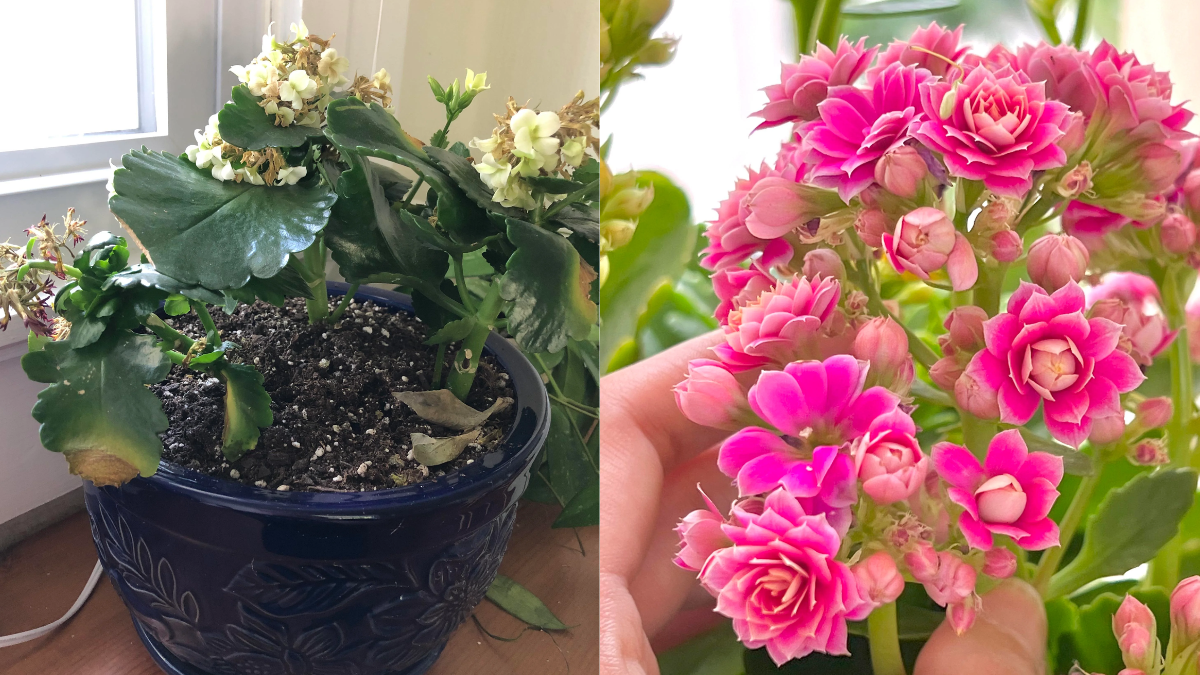
How to grow and care for Kalanchoe? Kalanchoe grows best in bright indirect sunlight, well-draining soil, limited watering, and warm temperature. It is a low-maintenance flowering succulent that can bloom beautifully if you understand its light and watering needs properly. In this guide, I am sharing my real gardening experience so you can grow a healthy and long-lasting Kalanchoe plant at home.
I come from a farmer family and gardening has always been part of my life. Over the years, I have grown many flowering and succulent plants, and Kalanchoe is one plant that never disappoints. I have grown it both indoors and outdoors climate, and I am sharing what actually works in global conditions.
IN THIS ARTICLE
About Kalanchoe Plant
Kalanchoe is a succulent plant with thick, fleshy leaves that store water. It is mostly grown for its long-lasting colorful flowers and compact growth. It is perfect for balconies, windows, and indoor decoration.
Popular Types of Kalanchoe
- Kalanchoe blossfeldiana – Most popular flowering variety
- Kalanchoe tomentosa – Known as Panda plant
- Kalanchoe daigremontiana – Mother of Thousands
Among these, Kalanchoe blossfeldiana is the most common variety available in Indian nurseries.
Quick Guide – kalanchoe plant care instructions
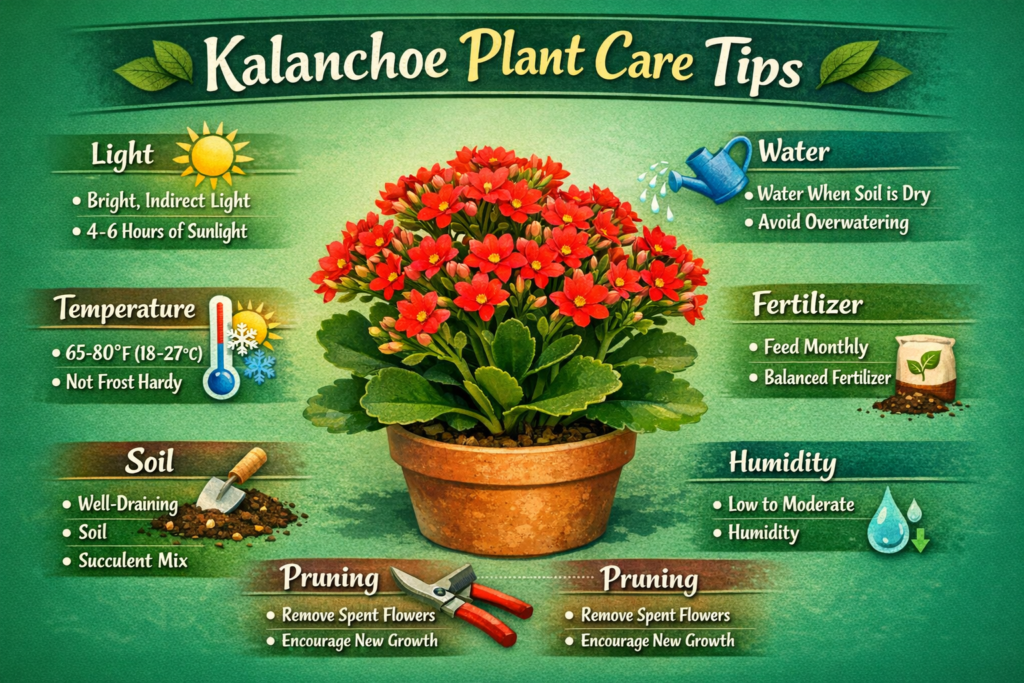
- Place in bright indirect sunlight
- Water only when soil becomes completely dry
- Use well-draining succulent soil
- Always choose pot with drainage holes
- Keep in warm temperature
- Remove dried flowers regularly
These simple steps are enough to keep your plant healthy.
Kalanchoe Watering Guide (Based on My Experience)
Watering is the most important factor in Kalanchoe care. In my early gardening days, I lost one plant due to overwatering. After that, I understood that this plant prefers dry soil more than wet soil.
How I Water My Kalanchoe
- I check soil with finger 1–2 inches deep
- If soil feels dry, then I water
- I water deeply until excess water comes out
- I never keep water in tray
Watering Frequency
- Summer: Every 7–10 days
- Winter: Every 12–15 days
- Rainy season: Only when fully dry
Always adjust watering depending on climate and pot size.
Best Soil for Kalanchoe
Kalanchoe needs loose and fast-draining soil. Heavy soil can cause root rot.
Soil Mix I Personally Use
- 40% garden soil
- 30% river sand
- 20% cocopeat
- 10% compost
You can also use ready-made succulent potting mix from nursery.
From my experience, adding extra sand improves drainage and keeps roots safe.
Sunlight Requirements for Kalanchoe
Kalanchoe loves bright light but does not like harsh afternoon sun.
Ideal Placement
- Near east-facing window
- Balcony with morning sunlight
- Bright indoor area
If leaves become long and stretched, it means plant needs more light. If leaves burn or turn brown, sunlight is too harsh.
In Surat’s strong summer, I keep my Kalanchoe in filtered sunlight.
Temperature and Humidity
Kalanchoe prefers warm temperature.
- Ideal temperature: 15°C to 30°C
- Avoid frost and extreme cold
- Normal indoor humidity is fine
During heavy rain, I move the plant under shade to protect from excess moisture.
Fertilizing Kalanchoe Plant
Kalanchoe does not need heavy feeding.
My Fertilizing Routine
- Liquid balanced fertilizer once in 30–40 days
- Only during growing season
- Stop fertilizing in winter
Too much fertilizer reduces flowering and makes plant weak.
How to Make Kalanchoe Bloom Again
Many people say their Kalanchoe flowers only once. The main reason is improper light cycle.
Kalanchoe is a short-day plant. It needs:
- 12–14 hours darkness daily
- For about 6 weeks
You can keep it in dark room in evening or cover it. After some weeks, buds will start forming.
From my experience, proper light control is the secret for reblooming.
Common Problems in Kalanchoe
Yellow Leaves
Reason: Overwatering
Solution: Reduce watering and improve drainage
No Flowers
Reason: Lack of light
Solution: Provide bright indirect sunlight
Mushy Stem
Reason: Root rot
Solution: Change soil immediately and cut damaged parts
Leggy Growth
Reason: Low sunlight
Solution: Move plant to brighter location
In most cases, correct watering and light solve most issues.
Is Kalanchoe Good for Indoor Gardening?
Yes, Kalanchoe is excellent for indoor gardening because:
- Low maintenance
- Long-lasting flowers
- Compact size
- Suitable for beginners
However, keep it away from pets as some varieties can be mildly toxic.
Conclusion on Growing Kalanchoe
Growing Kalanchoe is simple when you understand three main rules: controlled watering, well-draining soil, and proper sunlight. From my personal gardening experience, this plant is perfect for busy people and beginners.
If you want a beautiful flowering succulent that does not demand too much attention, Kalanchoe is a very good choice for 2026 home gardening.
With proper care, your Kalanchoe will stay healthy and reward you with vibrant flowers for many seasons.
1 thought on “How to Grow and Care for Kalanchoe 2026 – with My Experience)”