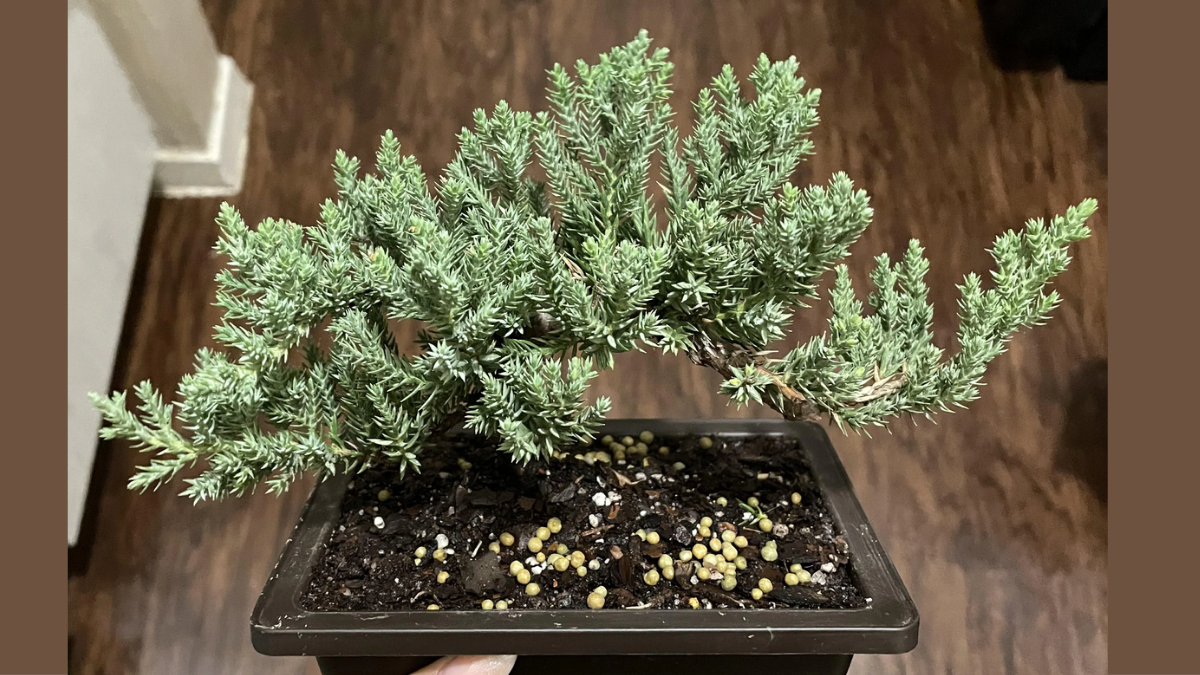
How to care for a bonsai tree is simple when you follow a proper routine and understand common problems early. Bonsai trees need balanced watering, correct sunlight, proper soil, regular pruning, and seasonal care. In this complete 2026 guide, I am sharing my real experience along with detailed care routine tables and problem–solution tables to help you grow a healthy bonsai at home.
I have been growing plants since childhood because I belong to a farming family. When I started bonsai gardening, I thought it was very complicated. But after a few years of practice, I understood that bonsai is not difficult — it just needs observation and discipline. In this article, I will explain everything in simple and practical language so you can avoid common mistakes.
IN THIS ARTICLE
What is a Bonsai Tree?
A bonsai is a normal tree grown in a small container and trained to stay miniature through pruning and shaping. It is not a separate species. Popular bonsai varieties include:
- Ficus Bonsai
- Juniper Bonsai
- Chinese Elm
- Jade Bonsai
- Pine Bonsai
Each variety has slightly different needs, but the basic care routine remains similar.
Complete Bonsai Care Routine
Below is the daily, weekly, monthly, and seasonal care routine table that I personally follow.
Daily, Weekly, and Monthly Bonsai Care Routine
| Time Period | What to Do | Why It Is Important | My Personal Tip |
|---|---|---|---|
| Daily | Check soil moisture | Prevent overwatering and underwatering | Use finger test, not fixed schedule |
| Daily | Observe leaves and branches | Early detection of disease or stress | Yellow or dull leaves mean problem |
| Weekly | Rotate pot (if indoor) | Even sunlight exposure | Rotate 90 degrees weekly |
| Weekly | Remove dry leaves | Maintain health and airflow | Clean surface soil gently |
| Every 15 Days | Fertilize (growing season) | Provide nutrients | Use balanced liquid fertilizer |
| Monthly | Light pruning | Maintain shape | Trim new shoots only |
| 2–3 Years | Repot young bonsai | Prevent root binding | Best done in early spring |
| 3–5 Years | Repot mature bonsai | Refresh soil nutrients | Trim 20–30% roots carefully |
Consistency is more important than doing too much at once.
Watering Bonsai Properly
Watering is the most critical part of bonsai care.
From my experience, most bonsai die due to overwatering.
How to Water Correctly:
- Check top 1 inch soil.
- Water deeply until water drains from holes.
- Never keep soil fully dry.
- Never keep soil continuously soggy.
In summer, watering may be daily. In winter, reduce frequency.
Sunlight Requirements for Bonsai
Sunlight depends on type:
- Outdoor bonsai need 4–6 hours direct sunlight.
- Indoor bonsai need bright indirect light.
If sunlight is insufficient:
- Leaves become weak.
- Growth becomes slow.
- Internodes become long.
Place indoor bonsai near a bright window.
Best Soil for Bonsai
Bonsai soil must drain well.
Ideal soil mix:
- 40% red soil or akadama
- 30% river sand
- 30% compost or cocopeat
Poor drainage leads to root rot.
Fertilizing Bonsai Tree
Because bonsai lives in small pots, nutrients finish quickly.
Fertilizing routine:
- Every 15 days in growing season
- Reduce in winter
- Use balanced NPK (10-10-10)
Organic options:
- Vermicompost (small amount)
- Seaweed fertilizer
Do not over-fertilize.
Pruning and Shaping Bonsai
Pruning keeps the tree miniature and beautiful.
Two types:
- Maintenance pruning (regular trimming)
- Structural pruning (major shaping)
Always use clean and sharp tools.
Bonsai Problems and Solutions Table
Now let’s understand common problems in detail.
Common Bonsai Problems and Solutions
| Problem | Symptoms | Main Cause | Solution | My Experience Tip |
|---|---|---|---|---|
| Yellow Leaves | Leaves turn pale or fall | Overwatering | Improve drainage, reduce watering | Check soil before watering |
| Dry Brown Leaves | Crispy leaf edges | Underwatering or heat | Increase watering frequency | Move to partial shade |
| Leaf Drop | Sudden falling leaves | Temperature shock | Keep in stable environment | Avoid frequent shifting |
| No Growth | Slow or no new leaves | Lack of nutrients | Fertilize during growing season | Use liquid fertilizer |
| Root Rot | Bad smell, black roots | Poor drainage | Repot with fresh soil | Never use heavy garden soil |
| Pests (Aphids) | Sticky leaves | Insect attack | Spray neem oil weekly | Check underside of leaves |
| Spider Mites | Fine web, dull leaves | Low humidity | Increase humidity | Mist lightly in dry weather |
| Mealybugs | White cotton-like spots | Pest infection | Neem oil or alcohol swab | Isolate infected plant |
| Weak Branches | Long thin growth | Low sunlight | Increase light exposure | Rotate pot weekly |
Early detection saves your bonsai.
Seasonal Bonsai Care Guide
Different seasons require different care.
Summer Care:
- Water daily if needed.
- Provide afternoon shade.
- Avoid midday harsh sunlight.
Monsoon Care:
- Ensure proper drainage.
- Protect from excessive rain.
Winter Care:
- Reduce watering.
- Protect from frost.
- Avoid placing near heaters.
From my experience, seasonal adjustment is key for long-term bonsai health.
Indoor vs Outdoor Bonsai Care
Not all bonsai can live indoors permanently.
- Ficus and Jade can survive indoors.
- Juniper and Pine must stay outside.
Keeping outdoor bonsai indoors will slowly weaken the plant.
My Personal Bonsai Care Formula
After years of experience, I follow a simple rule:
Observe > Adjust > Maintain
I do not follow strict timetables. I observe the plant daily. Bonsai communicates through its leaves.
If leaves are healthy and green, care is correct.
If leaves show stress, I adjust water, light, or soil.
Patience is the most important fertilizer for bonsai.
Conclusion – How to Care for a Bonsai Tree Successfully
How to care for a bonsai tree becomes easy when you follow a proper routine and understand common problems early. Focus on balanced watering, good sunlight, well-draining soil, seasonal fertilizing, and regular pruning.
From my experience, bonsai is not just gardening — it teaches discipline and patience. If you observe your tree daily and respond to its needs, your bonsai can live for decades.
How to Grow and Care for Kalanchoe 2026 – with My Experience)