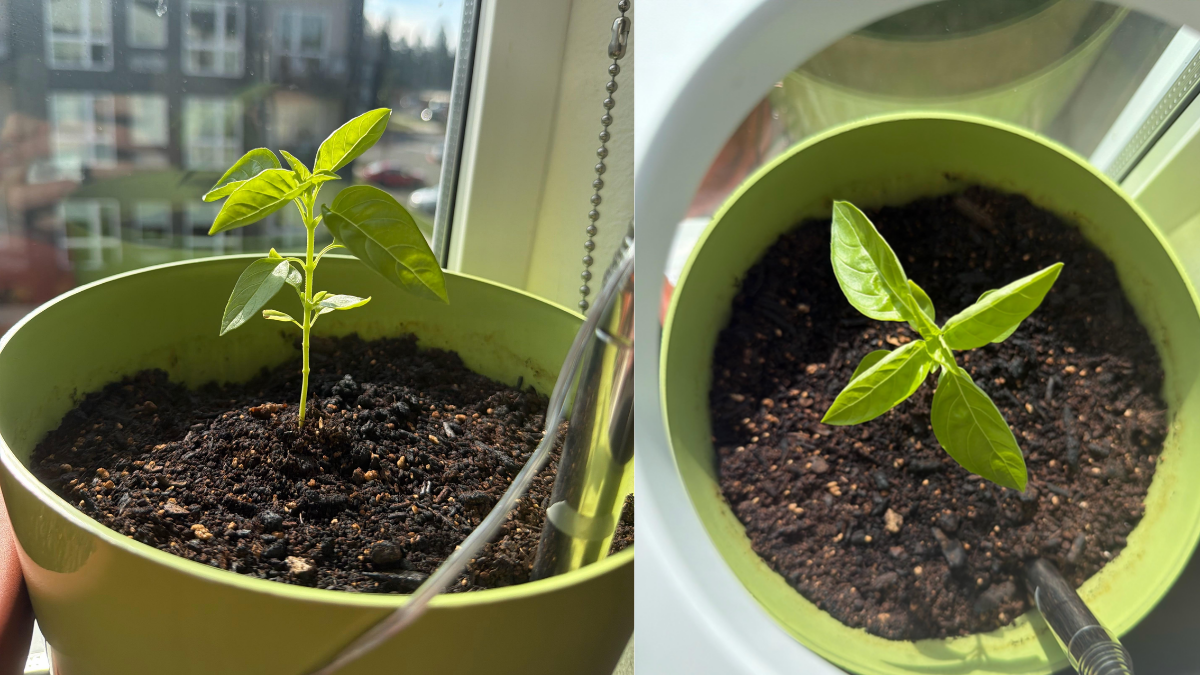
Basil plant indoors care is very easy when you understand what this plant needs. Many people think basil can only grow outside, but from my personal gardening experience I can say that basil grows very well inside the house too. If you give the plant enough sunlight, proper watering, and good soil, it can grow healthy and produce fresh leaves regularly.
I come from a farming family and gardening has always been a part of my life. Over the years I have grown many plants in pots, on balconies, and inside rooms. Basil is one plant that I always recommend to beginners because it grows fast and does not require complicated care. In my home I have grown basil near windows and in balcony areas, and it has always grown nicely when basic care is followed.
What is Basil Plant and Why People Grow It Indoors
Basil is a popular herb used in cooking, herbal drinks, and home remedies. In India many people also grow Tulsi plants at home for religious and health purposes. Basil plants are known for their pleasant smell and fresh green leaves.
Some common basil varieties people grow include:
- Sweet Basil
- Thai Basil
- Lemon Basil
- Holy Basil (Tulsi)
All these basil plants can grow indoors if they get enough light and proper care. Many people prefer growing basil indoors because it is easy to harvest fresh leaves whenever needed.
Quick Tips for Basil Plant Indoors Care
If you want your basil plant to grow healthy indoors, these simple tips can help a lot. I personally follow these steps while growing basil in my home.
- Keep the plant near a bright window with sunlight
- Basil needs 4 to 6 hours of sunlight daily
- Water the plant when the top soil becomes slightly dry
- Use light and well-draining soil
- Trim the plant regularly so it grows bushy
- Choose a pot with drainage holes
These simple care steps make a big difference in indoor basil growth.
Basil Plant Indoors Watering Guide
Proper watering is one of the most important parts of basil plant indoors care. Basil likes slightly moist soil but it does not like too much water.
When I first started growing basil indoors, I used to water the plant every day. After some time I noticed the leaves turning yellow. Later I realized that overwatering was the reason.
Now I follow a simple method for watering basil:
- Touch the soil with your finger
- If the top 1 inch soil feels dry, then water the plant
- Usually watering 2 or 3 times a week is enough indoors
- Always allow extra water to drain from the pot
This method keeps the roots healthy and prevents water problems.
Best Soil for Basil Plant Indoors
Soil plays a very important role in healthy basil plant growth. From my experience, basil plants grow best in soft and well-draining soil.
For indoor basil plants I usually prepare a simple soil mixture like this:
- Garden soil
- Compost or vermicompost
- Cocopeat
This combination keeps the soil light and helps roots grow properly. Compost also provides natural nutrients to the plant.
Heavy or compact soil can slow down plant growth, so it is always better to use loose soil for indoor basil.
Sunlight Requirement for Basil Plant Indoors
Sunlight is the most important factor for basil plants. Without enough light the plant becomes weak and grows very slowly.
In my home I always place the basil pot near a window where sunlight enters daily. This helps the plant grow strong and produce more leaves.
Important sunlight tips for basil plants:
- Basil needs at least 4 to 6 hours of sunlight daily
- East facing or south facing windows are usually best
- Rotate the pot sometimes so the plant grows evenly
When basil gets good sunlight, the leaves become greener and more aromatic.
Temperature and Humidity for Basil Plant Indoors
Basil plants grow best in warm temperatures. Luckily the climate in most parts of India is suitable for basil plants.
Ideal temperature for basil growth is:
- 18°C to 32°C
If the weather becomes too cold, basil growth may slow down. Indoor plants usually stay safe because the temperature inside the house is stable.
Humidity also helps basil plants grow well. Normal indoor humidity is usually enough for this plant.
Fertilizer for Basil Plant Indoors
Even though basil plants grow quickly, they still need nutrients to stay healthy.
In my experience, using organic fertilizer works best for indoor basil plants. I usually add a small amount of compost every few weeks.
Good fertilizer options include:
- Vermicompost
- Organic compost
- Liquid organic fertilizer
- Compost tea
Adding fertilizer once every 3 to 4 weeks is usually enough for basil plants growing in pots.
Too much fertilizer is not necessary and sometimes it can even reduce the natural flavor of basil leaves.
Pruning Basil Plant Indoors for Bushy Growth
Pruning is a very useful technique for growing a healthy basil plant indoors. When you trim the plant regularly, it produces more branches and more leaves.
I usually start pruning when the plant becomes around 6 to 8 inches tall.
Simple pruning tips I follow:
- Cut the stem just above a leaf node
- Remove the top part of the stem
- Harvest leaves regularly
- Remove flower buds if they appear
Regular pruning keeps the plant bushy and encourages continuous leaf production.
Benefits of Growing Basil Plant Indoors
Growing basil plants inside the house has many benefits. That is why many gardeners prefer keeping basil near kitchen windows.
Some benefits of indoor basil plants include:
- Fresh leaves available anytime for cooking
- Pleasant natural fragrance in the home
- Useful for herbal tea and home remedies
- Easy plant for beginner gardeners
- Can grow well in small pots
Because of these benefits, basil is one of the most popular indoor herbs.
Conclusion
From my personal gardening experience, basil plant indoors care is simple and rewarding. When you provide enough sunlight, proper watering, and good soil, the plant grows healthy and produces fresh leaves for a long time.
I have grown basil plants both outdoors and indoors, and indoor plants do very well when placed near a bright window. Regular pruning and light feeding with compost also help the plant stay strong.
Snake Plant Care Guide: Simple Steps
How to Grow and Care for Kalanchoe 2026 – with My Experience)