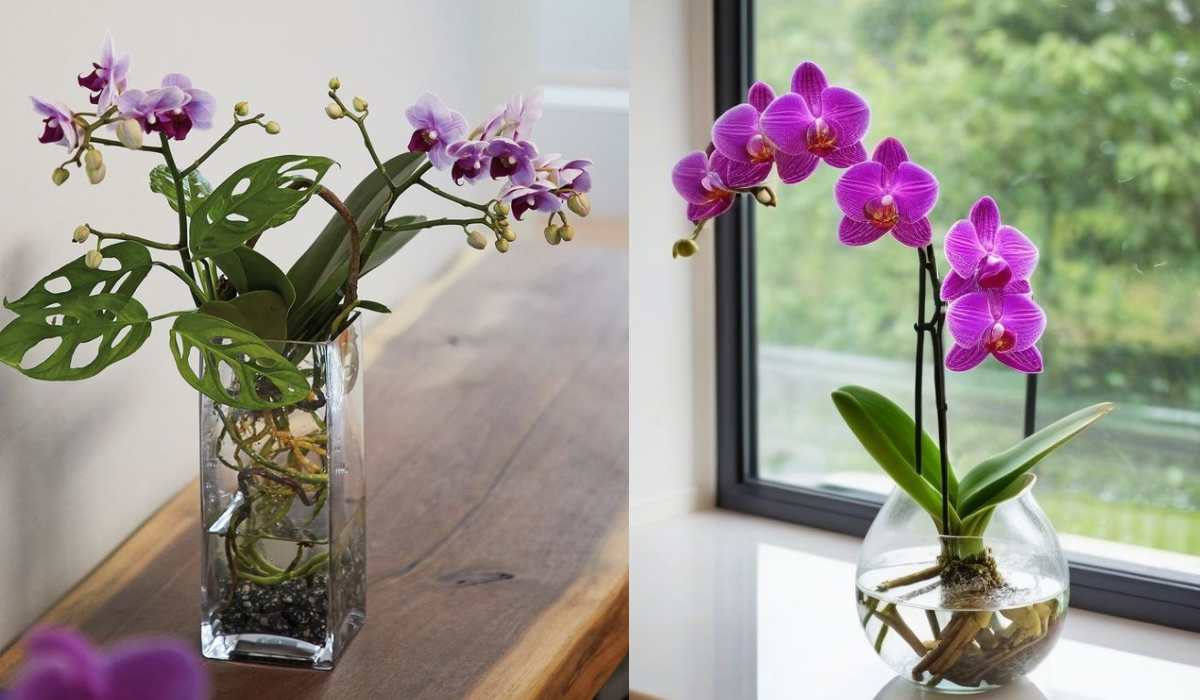
Can You Grow Orchids in Water? – Yes, you can grow orchids in water. I was surprised too when I first heard about it. For years, I believed orchids would rot if their roots stayed wet for too long. But after trying it myself and learning from other growers, I discovered that growing orchids in water is not a myth. It is a real method that many plant lovers use successfully.
In this guide, I will share what I have learned from my own experience and from talking to other orchid growers. I will be honest about the challenges and the rewards. If you are curious about trying this with your orchid, read on.
IN THIS ARTICLE
Can You Grow Orchids in Water?: Yes, But With Care
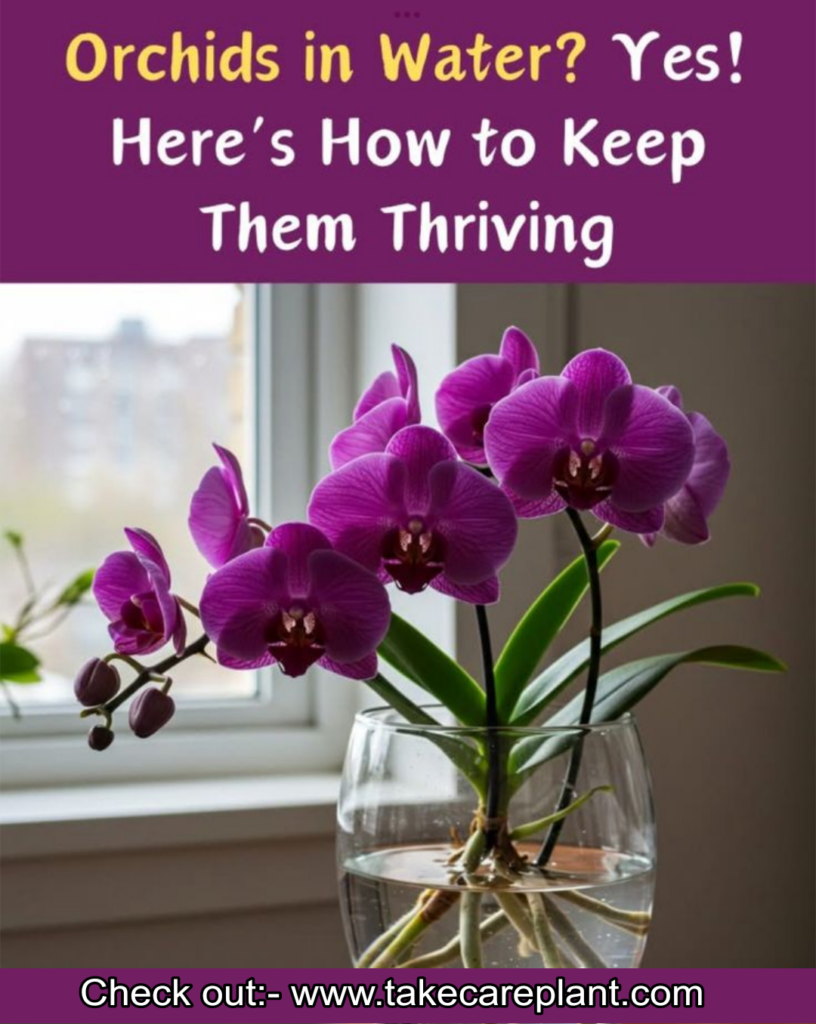
Growing orchids in water is possible. Many orchid enthusiasts have successfully switched their plants from bark to water culture. However, I must tell you honestly that this is not a “set it and forget it” method. It requires more attention than growing orchids in traditional bark mix.
From my research and talking to experienced growers, the best orchids for water culture are Phalaenopsis (moth orchids). They have thick, sturdy roots that can adapt to this method. Some Vanda and Dendrobium orchids can also work, but Phalaenopsis is the most forgiving for beginners.
Why Would Anyone Grow Orchids in Water?
Before I explain the methods, let me tell you why people try this. There are some real benefits:
Less risk of root rot from decaying bark – In traditional potting, when bark breaks down, it stays wet and causes rot. Water culture removes the bark completely.
No more repotting – Orchids hate being repotted because it damages their delicate root coating. In water, you never need to repot again.
Easy to see root health – In a clear glass vase, you can see exactly what is happening with the roots. No guessing games.
Fewer pests – Bark can attract fungus gnats and other pests. Water has no such problems.
Looks beautiful – An orchid growing in a clear glass vase with visible roots is very elegant and modern.
The 3 Methods for Growing Orchids in Water
From my research, there are three main methods. Each has its own pros and cons.
Method 1: Full Water Culture
This is the simplest method. You place the orchid in a glass vase and keep the bottom part of the roots submerged in water all the time.
How to do it:
- Only the bottom 1/4 to 1/3 of the roots should be in water
- The rest of the roots stay above water
- The crown (where leaves meet roots) must stay completely dry
- Refill water when it evaporates
- Change water every 1-2 weeks
My honest opinion: This method is very low maintenance, but the roots are always wet. Some growers love it, others say it causes rot over time.
Method 2: Semi-Water Culture (Wet-Dry Cycle)
This method involves a cycle. The orchid roots sit in water for a few days, then they are left dry for a few days.
How to do it:
- Fill the vase with water and let roots soak for 2-5 days
- Then drain all water and let roots stay dry for 1-3 days
- Repeat the cycle
My honest opinion: This method gives roots a chance to breathe, which is more natural for orchids. But you must follow a schedule. If you forget, the plant may suffer.
Method 3: Semi-Hydroponics (With LECA)
This is my favorite method because it feels safer. You use special clay pebbles called LECA (Lightweight Expanded Clay Aggregate) instead of bark.
How to do it:
- Soak LECA pellets in water for 24-48 hours before use
- Clean all old bark from orchid roots
- Place LECA in a clear pot with drainage holes
- Put the orchid in and fill around roots with more LECA
- Place this pot inside another container without holes
- Add water to the outer container so the bottom layer of LECA touches the water
- The orchid roots should not touch the water directly at first
Why I like this method: The LECA holds moisture and slowly releases it to the roots. The roots get both water and air. The clay pebbles never break down like bark does.
Step-by-Step: How I Transition an Orchid to Water
If you want to try this, here are the steps I follow based on what experienced growers recommend:
Step 1: Choose a healthy orchid
Start with a Phalaenopsis orchid that has healthy, firm roots. Do not experiment with a weak or sick plant.
Step 2: Remove all bark from roots
Gently take the orchid out of its pot. Carefully remove every piece of bark from the roots. Use your fingers and be gentle. Any leftover bark can rot and harm the plant.
Step 3: Rinse and inspect the roots
Wash the roots under room temperature water. Look for any soft, mushy, or black roots. Cut them off with clean scissors. Only keep firm, green or silvery roots.
Step 4: Let roots dry
Leave the orchid in a cool, shady place for a few hours or overnight. This allows cut areas to heal and prevents rot.
Step 5: Choose a glass vase
Pick a clear glass vase that is tall enough to support the plant. The vase should have a slightly narrow opening to hold the orchid upright.
Step 6: Place orchid in vase and add water
Put the orchid in the vase. Add water so only the bottom 1/3 of the roots are submerged. Make sure no water touches the crown or leaves.
Step 7: Find the right spot
Keep the vase in bright indirect light. An east-facing window is perfect. Direct sun can burn the roots now that they are exposed.
Water and Fertilizer Tips
What water to use:
Do not use tap water directly. Rainwater or distilled water is best. If you must use tap water, let it sit out for 24 hours before using.
How often to change water:
For full water culture, change water every 1-2 weeks. For semi-water culture, change when you refill during the wet cycle.
Fertilizing:
Use a hydroponic fertilizer, not regular orchid fertilizer. Regular fertilizers need soil to break down. Dilute to 1/4 of the recommended strength. Add fertilizer every 2-4 weeks during active growth.
Common Problems and My Solutions
From reading many growers’ experiences, these are the most common issues:
Root rot
If roots turn brown, soft, or mushy, you have rot. Take the orchid out immediately. Cut off all rotten roots. Let the plant dry for a day. Then try again with less water or try the semi-hydroponic method with LECA.
Algae growing in the vase
Green algae will grow in clear vases exposed to light. This is normal but can be ugly. Clean the vase with mild soap and water every few weeks. You can also wrap the vase in paper to block light.
No flowers
Some growers say orchids in water survive but do not bloom as well as orchids in bark. If your orchid is not flowering, it may need more light or a cooler temperature drop at night.
Roots turning white or silvery
This is normal and healthy. Orchid roots naturally turn silvery when dry and green when wet.
Is Water Culture Right for You?
Try water culture if:
- You have struggled with root rot in bark
- You want to see roots clearly
- You enjoy experimenting with plants
- You can commit to regular monitoring
Stick with bark if:
- Your orchids are already healthy and blooming
- You want the safest, most proven method
- You do not have time for extra maintenance
From my research, most orchid experts still recommend growing in bark or sphagnum moss. Water culture is an interesting alternative, but it is not the best method for everyone.
FAQ – Growing Orchids in Water
1. Can all orchids grow in water?
No. Phalaenopsis orchids are the best choice. They have thick roots that adapt well. Other types may not survive.
2. How long can orchids live in water?
With proper care, orchids can live in water for years. Some growers have kept orchids in water culture for 3-5 years or more.
3. Do orchid roots need to be fully submerged?
No. Only the bottom 1/4 to 1/3 of the roots should touch water. The rest need air.
4. Why are my orchid roots turning green in water?
Green roots are healthy. Orchid roots contain chlorophyll and can photosynthesize. This is normal.
5. Can I put a blooming orchid in water?
Yes, but the transition may cause flowers to drop faster. It is better to transition after blooming ends.
6. How often should I change the water?
Every 1-2 weeks for full water culture. More often if you see cloudiness or algae.
7. Do I need special fertilizer?
Yes, hydroponic fertilizer works best. Regular fertilizer needs soil to break down properly.
8. Will my orchid bloom more in water?
Some growers say yes, others say no. Most experienced growers believe bark produces better blooms. Water culture is more about survival than maximum flowering.
Final Thoughts From My Experience
Growing orchids in water is a fascinating experiment. It goes against everything we are taught about orchid care. But it works for many people, especially with Phalaenopsis orchids.
If you decide to try it, start with a healthy plant. Clean the roots very well. Use a clear glass vase. Keep only the bottom roots in water. Change water regularly. And be patient. The orchid needs time to adapt.
Can Spider Plants Grow in Water? (Based on My Experience)
How to Grow Ginger in Water Without Soil (Easy Method at Home)