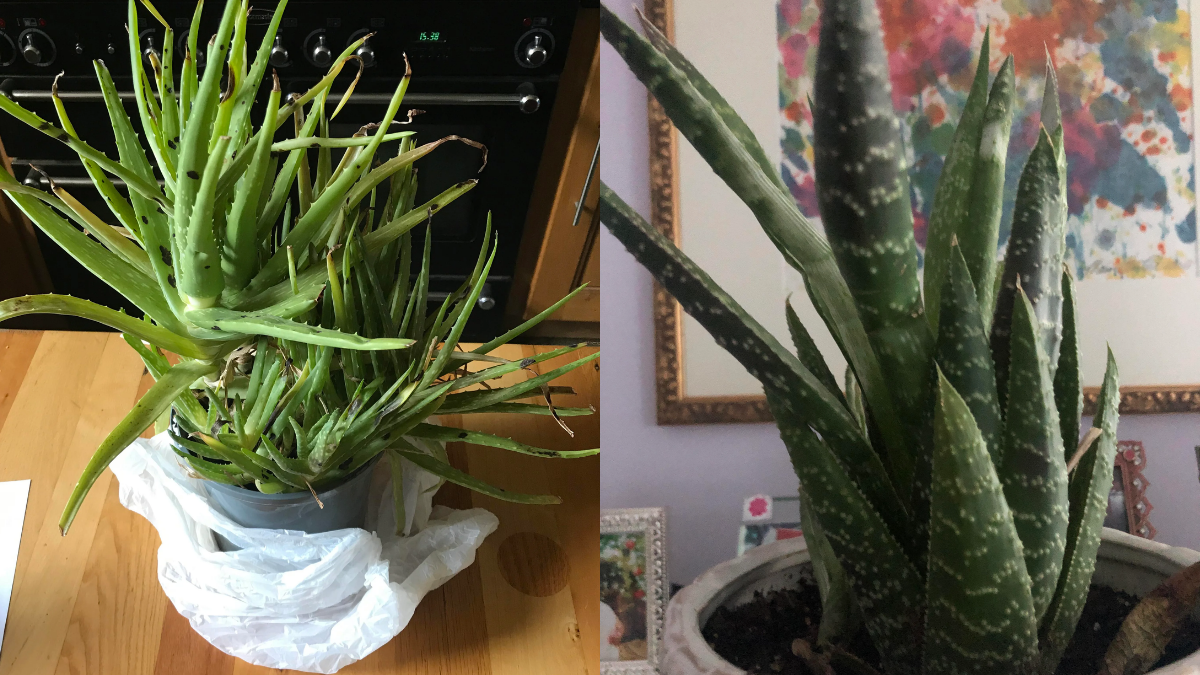
Growing thick and fleshy Aloe Vera leaves is easier than most people think. The secret is not in doing more, but in doing the right things. From my personal gardening experience, I learned that small changes in sunlight, watering, and soil can completely transform your Aloe Vera plant. If your plant has thin or weak leaves, this guide will help you fix it in a simple and practical way.
I have been growing Aloe Vera for a long time in my home garden, and at the beginning, I also struggled with slow growth and soft leaves. After testing different methods, I found 3 powerful secrets that made my Aloe Vera leaves thick, juicy, and healthy.
What Makes Aloe Vera Leaves Thick and Fleshy?
Aloe Vera is a succulent plant, which means it stores water in its leaves. When the plant gets the right conditions, it naturally develops thick and gel-filled leaves.
If conditions are not right, leaves become:
- Thin
- Soft
- Curved or weak
- Light green or dull
To fix this, you need to focus on the basics.
Secret 1: Give Proper Sunlight
From my experience, sunlight is the number one factor for thick Aloe Vera leaves.
When I kept my plant in low light, it survived but did not grow properly. The leaves were long and thin. Then I moved it to a sunny spot, and within a few weeks, the leaves became thicker and stronger.
Best Sunlight Tips:
- Keep Aloe Vera in 4–6 hours of direct sunlight daily
- Morning sunlight is best for healthy growth
- Avoid strong afternoon sun in very hot climates
- If growing indoors, place near a bright window or balcony
Quick Sunlight Guide:
| Condition | Result on Plant |
|---|---|
| Low light | Thin and weak leaves |
| Moderate light | Average growth |
| Bright sunlight | Thick and fleshy leaves |
Secret 2: Water Less but Correctly
One of the biggest mistakes beginners make is overwatering Aloe Vera. I also made this mistake in the beginning.
Aloe Vera stores water in its leaves, so it does not need frequent watering. Too much water causes:
- Soft and mushy leaves
- Root rot
- Slow growth
My Watering Routine:
- Water only when soil is completely dry
- Usually once every 7–10 days
- In winter, water even less
- Always use a pot with a drainage hole
Watering Mistakes vs Correct Method:
| Mistake | Correct Method |
|---|---|
| Watering daily | Water after soil dries |
| No drainage hole | Use well-draining pot |
| Wet soil always | Keep soil slightly dry |
Simple Tip:
Insert your finger into the soil. If it feels dry, then water. If it feels moist, wait.
Secret 3: Use Well-Draining Soil Mix
Soil plays a very important role in Aloe Vera growth. Earlier, I used normal garden soil, and my plant was not growing well. The soil was holding too much water.
After changing the soil mix, I saw a big improvement.
Best Soil Mix for Aloe Vera:
- 50% garden soil
- 25% sand
- 25% compost
You can also use ready-made cactus or succulent mix.
Why Good Soil is Important:
- Prevents waterlogging
- Helps roots grow faster
- Improves leaf thickness
Soil Comparison Table:
| Soil Type | Result |
|---|---|
| Heavy clay soil | Poor growth, root rot |
| Normal garden soil | Slow growth |
| Well-draining mix | Thick, healthy leaves |
Extra Tips for Faster Growth
From my experience, these small tips also help a lot:
- Use a terracotta pot for better drainage
- Add compost once a month for nutrients
- Remove dead or damaged leaves
- Avoid keeping plant in very cold temperatures
- Do not over-fertilize
Common Problems and Easy Solutions
| Problem | Reason | Solution |
|---|---|---|
| Leaves are thin | Low sunlight | Move to brighter place |
| Leaves are soft | Overwatering | Reduce watering |
| Leaves turning yellow | Poor drainage | Change soil mix |
| No growth | Lack of nutrients | Add compost |
Conclusion
From my personal gardening experience, growing thick and fleshy Aloe Vera leaves is very simple if you follow the basics. You don’t need expensive fertilizers or complicated techniques.
Just remember these 3 secrets:
- Give proper sunlight
- Water only when needed
- Use well-draining soil
Once you follow these steps, your Aloe Vera plant will naturally grow strong, healthy, and full of gel. Over time, you will clearly see the difference in leaf thickness and overall plant health.
If you stay consistent with these simple care tips, your Aloe Vera will not just survive—it will thrive.
How to Propagate Aloe Vera – My Real Experience
z